
Last updated October 15, 2026
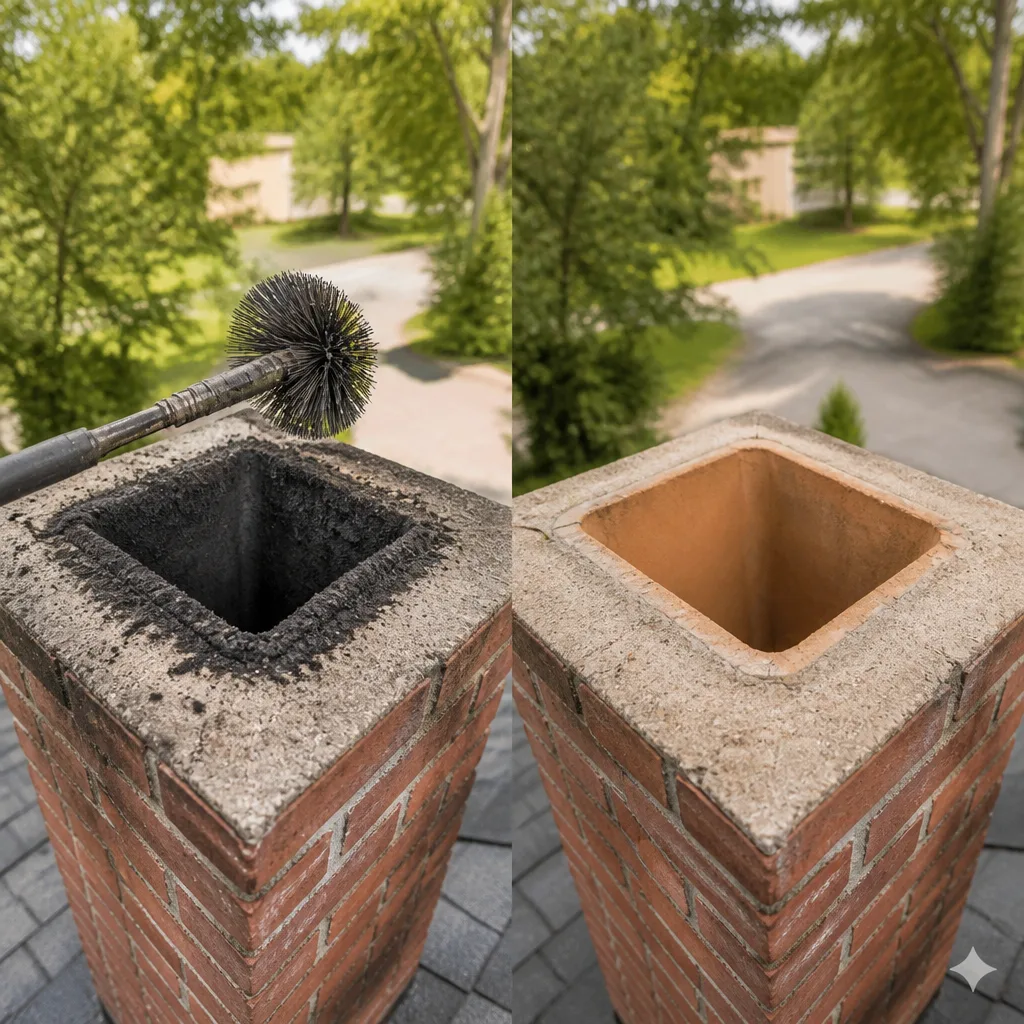 Sweep & inspection
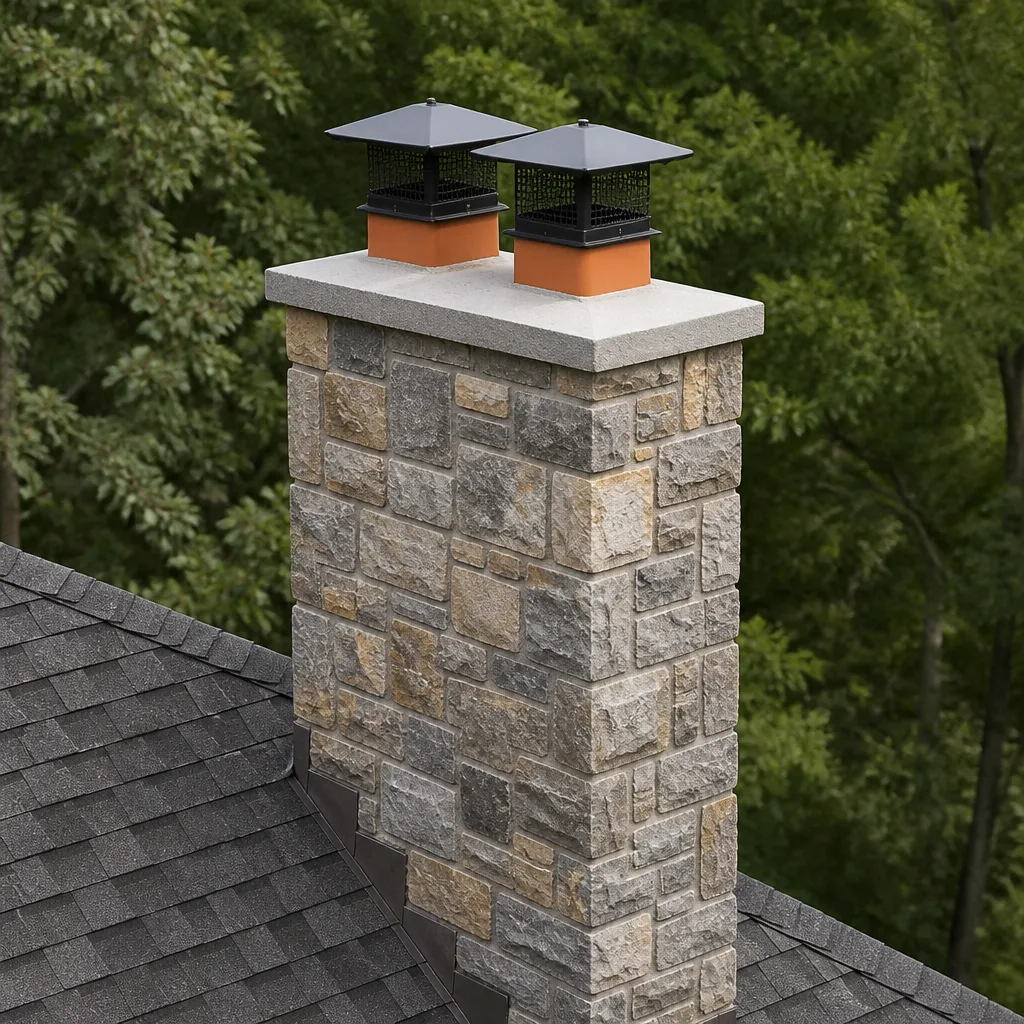 Caps & crowns
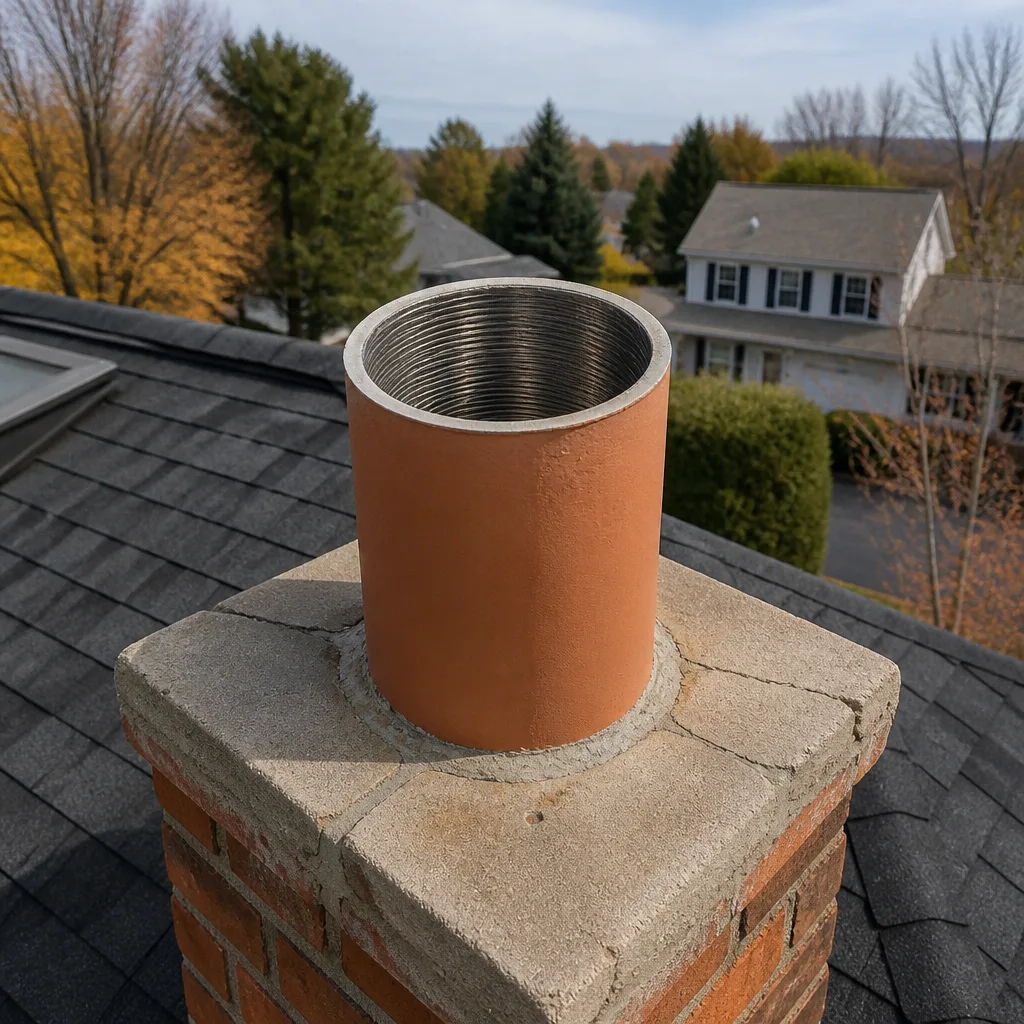 Flue relining
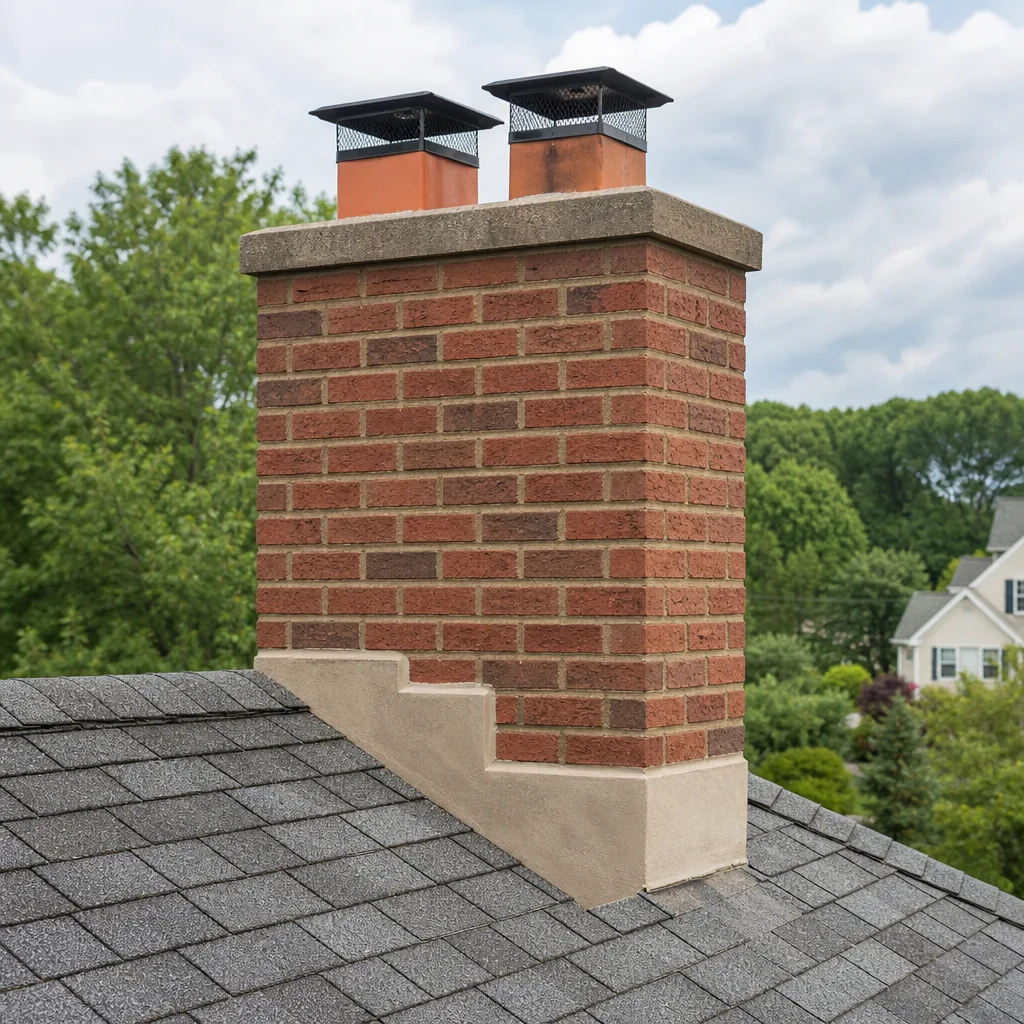 Masonry repair
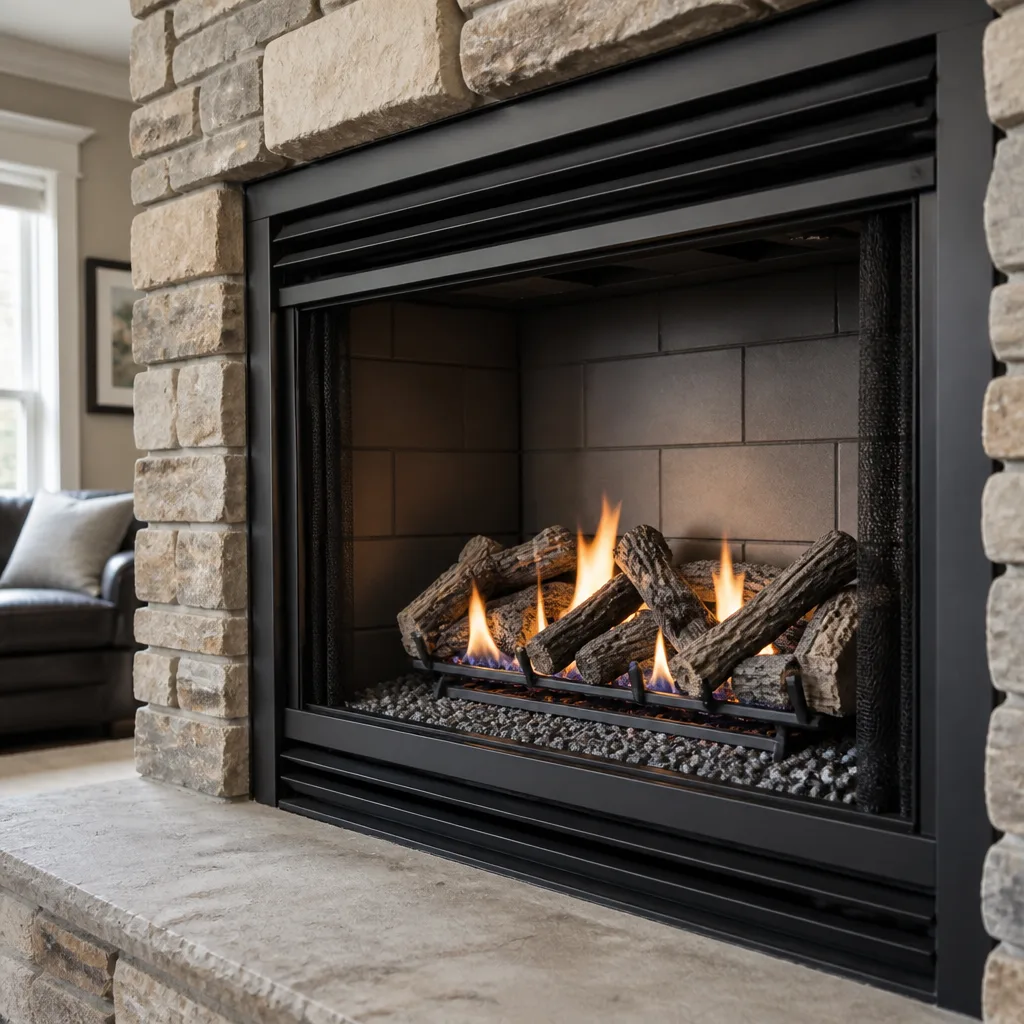 Gas fireplace service
Level 1 sweep and inspection to the NFPA 211 annual standard - flue, crown, cap, and flashing checked and photographed
Chimney sweep logs do not sweep chimneys. They loosen some creosote - which then falls where a brush and vacuum still have to collect it.
How to Hire a Chimney Cleaning Contractor in Dallas: A Step-by-Step Guide
The Texas Department of Licensing and Regulation does not license chimney sweeps as a standalone trade. Read that again, because it changes everything about how you should evaluate a chimney cleaning company in Dallas. Any person with a brush, a van, and a business card can legally clean your chimney tomorrow. So this guide skips the usual “ask for references” advice that sounds responsible but rarely reveals anything useful, and gives you a step-by-step framework built on the only filter that actually works: what a contractor will commit to in writing before the first tool comes off the truck.
Styles & brands we work with
Quick Answer
To hire a chimney cleaning contractor in Dallas, verify their insurance with a certificate of insurance request, confirm they use a documented inspection process, and demand a written estimate that itemizes scope and price before any work begins. Skip contractors who rely on verbal assurances or scare-language about fire risk without a written inspection finding. A thorough sweep and inspection in Dallas typically runs $189-$349 depending on chimney condition and access-our Chimney Cleaning Cost Breakdown: The Dallas Homeowner’s Reference for 2026 explains what drives that range-and the best contractors back repair work with a written guarantee of at least one full year.
Table of Contents
- What Texas Law Does and Does Not Regulate for Chimney Contractors
- The Third-Party Credentials That Partially Fill the Licensing Gap
- The Five Items That Must Appear in a Written Estimate
- How to Verify a Contractor’s Liability Insurance Is Active, Not Just Claimed
- Red Flags in Chimney Contractor Sales Tactics
- How Guarantee Language Should Read: A Documented 12-Month Workmanship Guarantee
- Dallas-Specific Hiring Considerations: Climate, Creosote, and Local Market Realities
- The Step-by-Step Hiring Protocol for Dallas Homeowners
- Common Mistakes to Avoid
- When to Call a Professional
- Frequently Asked Questions
- The Bottom Line
What Texas Law Does and Does Not Regulate for Chimney Contractors
Texas law does not license chimney sweeps as a standalone trade. The Texas Department of Licensing and Regulation oversees electricians, air conditioning contractors, tow truck operators, and dozens of other professions, but chimney sweeping is not on that list. Neither is chimney inspection. Neither is chimney repair, unless the repair work crosses into a regulated trade like structural masonry or electrical work tied to a fireplace insert.
What this means in practical terms for a homeowner in Dallas: you cannot check a state license database to confirm that a chimney company is qualified, because no such database exists for this trade. The state does not require chimney contractors to pass a competency exam, maintain continuing education, or demonstrate any minimum level of experience before offering services to the public. A contractor can legally register a business name, print invoices, and start cleaning chimneys the same week.
There are a few adjacent regulations worth knowing. If a chimney repair requires modifications to a gas line serving a fireplace or log set, the contractor performing that work must hold the appropriate plumbing or gas license through the Texas State Board of Plumbing Examiners or the Railroad Commission of Texas. If structural masonry repair is required on the chimney chase or crown, the work may fall under general construction standards enforced by Dallas building permits for certain scopes of work; see our guide to Chimney Cleaning Permits, Codes & Inspections in TX: What You Need to Know for details. But a basic chimney sweep and visual inspection? There is no state oversight. This regulatory vacuum is precisely why the written-documentation framework in this guide matters as much as it does.
We have worked in this market since 2002 as part of the Garrison Partners family of independently owned chimney service companies. The absence of state licensing is not a secret in our trade, and it is not something reputable companies hide from. We mention it here because homeowners who understand this fact ask sharper questions, and sharper questions filter out the contractors who are not prepared to document their work.
The Third-Party Credentials That Partially Fill the Licensing Gap
Because Texas does not license chimney sweeps, credible companies in Dallas use voluntary third-party certifications to demonstrate competence. The two most recognized programs are the Chimney Safety Institute of America (CSIA) and the National Fireplace Institute (NFI).
- CSIA Certified Chimney Sweep: Requires passing a written exam covering chimney science, fire codes, inspection procedures, and safety practices. Certification must be renewed every three years through continuing education or re-examination. CSIA also runs a certification for chimney inspectors specifically.
- NFI Certified Specialist: The National Fireplace Institute certifies technicians in three tracks: wood-burning systems, gas systems, and pellet systems. Each requires passing an exam specific to that fuel type.
These credentials are meaningful, but they have limits. A CSIA certification demonstrates that someone passed a knowledge test at some point, but it does not guarantee that the specific technician arriving at your door is the one who holds the credential. It also does not create any legal recourse if work is done poorly. So treat certifications as a baseline filter, not a final assurance. Ask the contractor point-blank: “Are the technicians you’ll be sending CSIA or NFI certified?” If the answer is anything other than a clear “yes” with a name and credential you can verify on the CSIA or NFI website, move on.
We should note that certification is not a substitute for the written estimate and guarantee requirements we lay out below. A certified technician with bad business practices is still a bad hire. The certification tells you the company invested in training; the documentation tells you the company is prepared to be held accountable.
The Five Items That Must Appear in a Written Estimate
This is the core of the hiring framework. Before you allow any chimney cleaning contractor in Dallas to begin work, the written estimate must contain five specific items. If the contractor cannot or will not provide these five things in writing, the interview is over. No exceptions. This is not a “nice-to-have” checklist; it is the minimum standard that separates a documentable commitment from a verbal handshake you cannot enforce.
- A line-item scope of work. The estimate must state exactly what will be done: chimney sweep of the flue, inspection of the firebox, inspection of the damper, inspection of the cap and crown, and any other specific tasks. “Chimney cleaning” is not a scope. “Sweep flue from firebox to cap, remove creosote deposits, vacuum firebox and smoke chamber, inspect damper operation, inspect cap and crown from roof, provide photo report” is a scope.
- A stated price for the sweep and inspection. The price must be a fixed dollar amount, not a range and not an “estimate subject to conditions discovered.” In Dallas, a standard chimney sweep and Level 1 inspection typically runs $189-$349 for a single-story home with normal access. Multi-story homes, steep rooflines, or heavily glazed creosote may push the price higher, but the base price must be in writing before work starts.
- A written description of what happens if additional problems are found. Reputable contractors will document findings with photos and provide a written explanation before recommending additional work. The estimate should state this policy explicitly. If the contractor says they will “let you know what we find” but refuses to commit to a documented findings process, that is not an answer.
- Any warranty or guarantee terms in plain language. What exactly is covered? For how long? What triggers the obligation to return? What is excluded? Every repair we perform at Flint Chimney Co Dallas carries a 365-Day Done Right Promise: a written guarantee valid for a full year from the service date, with a free second visit if a covered repair fails within that period. That is a documentable standard. “We stand behind our work” is not.
- The company’s legal name, physical address, and insurance carrier name. Not a PO box. Not a first-name-only cell number. If the company will not put its legal entity name and insurance carrier on the estimate, you have no way to pursue a claim if something goes wrong.
Contractors who cannot produce all five items in writing before work begins are disqualifying themselves. We have seen this play out across Dallas neighborhoods from Lakewood to Richardson to Plano: the contractor who agrees to everything verbally but puts nothing in writing is the contractor who will not be accountable for the result.
How to Verify a Contractor’s Liability Insurance Is Active, Not Just Claimed
Every chimney company in Dallas will tell you they are insured. A meaningful number of them are not, or are underinsured, or have let a policy lapse. The good news is that verifying active liability insurance is not difficult, and a legitimate contractor will not hesitate to provide the documentation.
Ask for a certificate of insurance (COI). This is a standard document that any insured business can request from its insurance agent, usually at no cost, usually within one business day. The COI must list the named insured (the company’s legal business name), the insurance carrier, the policy number, the policy effective and expiration dates, and the coverage limits. For a chimney cleaning company working on residential properties in Dallas, general liability coverage of at least $500,000 per occurrence and $1,000,000 aggregate is a reasonable minimum expectation.
Here is the step that most homeowners skip: do not just accept the COI at face value. Call or email the insurance agency listed on the certificate and confirm the policy is currently active. Some contractors present outdated certificates from policies that lapsed months prior. A 60-second verification call confirms that the coverage is real and current. If the contractor cannot produce a certificate, or if the certificate lists coverage that expired six months ago, you have your answer.
Also understand what the insurance does and does not cover. Liability insurance covers damage the contractor causes to your property or injuries sustained on your property as a result of the contractor’s negligence. It does not cover poor workmanship, which is why the written workmanship guarantee matters separately. A contractor can be fully insured and still do shoddy work; the insurance covers broken windows, not broken promises. That is what the written 12-month workmanship guarantee is for.
Red Flags in Chimney Contractor Sales Tactics
Dallas has hundreds of chimney service companies, and the sales pressure in this market is real. The most common pressure tactic in our trade is scare-language about fire risk with no written evidence. Some contractors walk into a living room, look at a fireplace for ninety seconds, and announce a “dangerous” chimney that “could burn the house down” without documenting a single finding. That is ethically indefensible. A legitimate chimney contractor will not make a hazard claim without a written inspection finding supported by photos or video evidence.
Specific sales tactics to watch for in Dallas and the surrounding suburbs:
- The “we’re doing a sweep and found a crack” call from the roof. This is the most common high-pressure play in our industry. The contractor calls you outside to “look at the problem” while standing on your roof where you cannot safely access, then quotes thousands of dollars for repair work that may not be necessary. All findings must be documented with photos you can see and verify.
- The “mayor’s discount” or “neighborhood special.” Unsolicited discounts tied to “we’re doing work on your street” are designed to make a decision feel time-sensitive. In our experience, legitimate chimney companies do not need to manufacture urgency.
- The vague “it needs a liner” recommendation. Flue relining (replacing the inner liner that channels smoke safely out of the house) is sometimes necessary, but the diagnosis must be based on a documented inspection, typically with camera footage showing the condition of the existing liner. A contractor who recommends a full relining without camera inspection or photo documentation has not done the work to earn that recommendation.
- The “we noticed your neighbor’s chimney” opener. Contractors who use neighboring homes as conversation starters are usually working a canvassing playbook, not conducting a genuine inspection.
- Pressure to sign the day of the estimate. Any contractor who pushes for an immediate signature before you have reviewed documentation is operating on urgency rather than merit. We deliver a written price and scope on every job at Flint Chimney Co Dallas, and we are comfortable waiting while you review it.
How Guarantee Language Should Read: A Documented 12-Month Workmanship Guarantee
Most chimney contractors say they are “guaranteed” or “satisfaction guaranteed.” What does that mean legally? In most cases, nothing enforceable. Without a written document specifying what is covered, for how long, and what remedy applies, a verbal guarantee has no legal force in a consumer dispute. The phrase “satisfaction guaranteed” is marketing language, not contract language.
A workmanship guarantee that actually protects you must include four components in writing:
- The specific scope of work covered. The guarantee should reference the specific repair or installation performed, not “all work done.” If the company installed a new chimney cap, the guarantee should say “chimney cap installation” with the date and location.
- The duration of coverage. A meaningful workmanship guarantee runs for at least 12 months from the service date. Some premium guarantees run longer. Anything less than a year is not a serious guarantee for repair work.
- The remedy if the work fails. The guarantee must state what happens when something goes wrong. Does the contractor return to fix the issue at no charge? Is there a time limit on when you can make a claim? Under The Garrison Standard, every repair performed by Flint Chimney Co Dallas carries the 365-Day Done Right Promise: if a covered repair fails within one year from the service date, we return and fix it at no charge. That is the standard against which you should measure every guarantee.
- Exclusions clearly stated. No honest guarantee covers everything forever. Typical exclusions might include damage from chimney fires, external events like severe weather, or work performed by another contractor after the original job. Exclusions are not a red flag; refusing to list them is.
When comparing companies, ask for the guarantee language to be included on the written estimate itself, not in a separate brochure or warranty booklet. The estimate is the operative document; the guarantee belongs on it.
Dallas-Specific Hiring Considerations: Climate, Creosote, and Local Market Realities
Dallas has a specific climate pattern that directly affects chimney maintenance: hot summers with high humidity, mild shoulder seasons, and intermittent freezing events during winter. The freeze-thaw cycle in North Texas is a particular problem for masonry chimneys. Small cracks in brick or mortar absorb water during rain events, and when temperatures drop below freezing, the trapped water expands and widens those cracks. Over a few seasons, minor surface damage can become structural. This is why chimney inspection and repair companies in Dallas emphasize crown and cap integrity more heavily than companies in drier climates, as covered in our Seasonal Chimney Cleaning Care for Dallas: Year-Round Homeowner’s Guide.
Creosote accumulation is also a meaningful risk factor in Dallas fireplaces. Homes with wood-burning fireplaces that get regular use during the brief but intense cold snaps between November and February can accumulate creosote quickly, especially when burning unseasoned wood. Glazed creosote (the hard, shiny, tar-like deposits that form under specific burn conditions) cannot be removed with a standard brush and requires different tools and techniques. If you burn a lot of fires during winter cold snaps, annual sweeps are not optional; in some cases, more frequent maintenance is warranted.
Local market realities also shape hiring decisions. Dallas and its surrounding suburbs (Plano, Richardson, Garland, Mesquite, Irving, Carrollton) have a competitive chimney services market, which means pricing ranges are broader than in smaller metros. We have seen sweep and inspection packages across Dallas ranging from $149 for a basic service to over $500 for comprehensive cleaning with camera inspection. The spread is not always an indicator of quality; some of the cheapest providers are also the ones most likely to deliver the bait-and-switch pricing this guide warns against.
Dallas is also a city with significant housing stock age variation. Homes built in the 1950s and 1960s in neighborhoods like Casa Linda and Lochwood have fundamentally different chimney construction than newer builds in Frisco or McKinney. Older masonry chimneys in Dallas often have terra cotta flue liners that are now 60+ years old and approaching the end of their service life. Newer homes may have prefabricated or factory-built chimneys with different inspection requirements. When you call a chimney company in Dallas, the technician should be asking questions about home age and chimney type before they arrive, not discovering everything on site.
The Step-by-Step Hiring Protocol for Dallas Homeowners
Here is the complete hiring protocol, consolidated into a step-by-step sequence. This is the process we recommend to homeowners in Dallas who want a documented, verifiable chimney cleaning experience.
- Call and ask about the five written-estimate items. Before you book anything, call the company and ask directly: “Will your estimate include a line-item scope of work, a fixed price, a documented findings process, written guarantee terms, and your legal name and insurance carrier?” A legitimate company answers yes to all five without hesitation. At Flint Chimney Co Dallas, the answer is yes, every time, on every job.
- Request a certificate of insurance. Ask for a COI before the appointment, or at minimum, before work begins. Verify the carrier name and policy dates. Call the insurance agency to confirm the policy is active if you want maximum assurance.
- Ask about the technician who will be dispatched. Will the person arriving be background-checked and uniformed? Our policy: every technician dispatched on any call is background-checked and uniformed. You know who is walking through your door.
- Book the service and get written confirmation. The appointment confirmation should include the date, the arrival window, and the scope of work requested. If the scheduling process is opaque or disorganized, that is a signal about how the service will go.
- Be present for the service. Be home when the technician arrives. A chimney sweep and inspection in Dallas typically takes 45-90 minutes for a single-story home. Being present allows you to ask questions during the work and to review findings in real time.
- Review the findings documentation before approving any additional work. If the technician identifies issues beyond the scope of the sweep, require written findings with photo or video evidence. Nothing should be recommended without evidence you can see. Nothing should be approved without a written price for the additional work.
- Get the final report and guarantee in writing. After the work is complete, the final documentation should include a summary of what was done, any findings and recommendations, photos if applicable, and the written guarantee terms for any repairs. If the company does not provide this documentation, request it in writing before paying.
This protocol takes a little more effort than calling the first name in a Google search and booking sight unseen. But the alternative is hiring a contractor with no verifiable credentials, no insurance documentation, no written scope, and no enforceable guarantee. In a state with no chimney licensing, the documentation is the entire safety net.
Common Mistakes to Avoid
- Hiring based on the lowest price. In Dallas, the cheapest chimney sweep is often the most expensive after the contractor “finds” additional problems mid-job. We have seen $99 sweep specials turn into $2,000 “emergency repairs” with no documented findings and no written scope. The fixed price in writing is the only protection against this pattern.
- Accepting references as proof of quality. References are nearly useless for evaluating chimney contractors. A contractor can provide three happy customers while hundreds of unhappy ones remain invisible. References tell you what a company chose to show you. Written guarantees and documented processes tell you what a company is willing to be bound by.
- Not verifying insurance. Most homeowners never ask for a certificate of insurance. We recommend it on every chimney job in Dallas, including sweeps and inspections, because uninsured contractors create risk exposure for the homeowner’s own liability policy.
- Approving repair work without photo documentation. If a contractor recommends $2,000 in masonry repair or flue relining without showing you photos or camera inspection footage, do not approve. A legitimate finding is documentable. An unsubstantiated finding is a sales tactic.
- Not reading the guarantee terms. “Satisfaction guaranteed” is not a guarantee. The written guarantee must include scope, duration, remedy, and exclusions in plain language. If it does not, you have no enforceable protection.
- Skipping the inspection portion of a sweep. Some contractors offer cheap sweeps without inspection components, which misses the entire point. The sweep clears creosote; the inspection identifies structural issues, liner condition, and cap functionality. In Dallas, where freeze-thaw cycles accelerate masonry deterioration, the inspection is as important as the cleaning.
- Waiting until fall to book. Dallas chimney companies book heavily in September through November. Annual maintenance is best scheduled in spring or summer, when availability is better and you can address issues before the first cold snap.
When to Call a Professional
If you have not had your chimney inspected in the last 12 months and you use your fireplace, or if you have noticed any of the following conditions: visible creosote accumulation, a smoky fireplace that does not draft properly, rust on the damper or firebox, water staining on the ceiling near the chimney, or mortar and brick deterioration on the exterior chimney stack. These are not cosmetic issues. They are indicators of system problems that require trained eyes and proper tools. Do not attempt DIY chimney inspection; the risks of missing a crack in the flue or a failing cap far outweigh any cost savings. Chimney Inspection in Dallas is a core part of what we do. Flint Chimney Co Dallas offers free estimates in Dallas and serves the surrounding area. Call (361) 492-4099 to schedule a sweep and inspection with a written price before any work begins.
Frequently Asked Questions
A standard chimney sweep and Level 1 inspection in Dallas typically costs between $189 and $349 for a single-story home with normal roof access. Multi-story homes, steep rooflines, or heavy creosote buildup that requires specialized removal tools can push the price higher. We provide a written price before any work starts, so the number on the invoice is the number you approved. Call (361) 492-4099 for an exact quote, and read more on our Chimney Sweep in Dallas page for service details.
No. Texas does not license chimney sweeps as a standalone trade, and the Texas Department of Licensing and Regulation does not oversee chimney cleaning or inspection. This is why verifying third-party credentials like CSIA or NFI certification, and requiring written estimates and guarantees, is essential when hiring in Dallas.
Only if the finding is documented with camera inspection or clear photos showing damage that would prevent safe venting. Flue relining (replacing the inner liner that channels smoke safely out of the house) is sometimes necessary, particularly in older Dallas homes with terra cotta liners nearing the end of their service life. But any recommendation must come with evidence you can see. We do not recommend relining without documented inspection findings, and we use professional-grade liner products like HeatShield and Olympia Chimney when relining is warranted. Our Chimney Repair in Dallas page covers what documented repair findings look like.
Creosote builds up on the flue walls with each wood-burning fire, and creosote is combustible. A heavy creosote accumulation paired with a hot fire can ignite a chimney fire that reaches temperatures hot enough to crack flue liners and spread to surrounding framing. Additionally, blockages from animal nests or debris can force carbon monoxide back into the home. These are real risks, but the appropriate response is a documented sweep and inspection, not alarmist sales language.
The National Fire Protection Association standard is annual inspection and sweeping as needed, which for most Dallas homes means a sweep once per year if the fireplace is used regularly during winter. Homes that burn unseasoned wood, or that use the fireplace heavily during cold snaps, may need more frequent cleaning because creosote accumulates faster under those conditions. Call (361) 492-4099 and we can help you set a maintenance schedule based on your actual usage patterns.
A complete chimney sweep should include sweeping the flue from firebox to cap, removing creosote deposits, vacuuming the firebox and smoke chamber, inspecting the damper for proper operation, and inspecting the cap and crown from the roofline. The sweep should also include a documented report of findings with photos where relevant. At Flint Chimney Co Dallas, the sweep and inspection are performed together, and you receive a written summary of what was done and what the technician found.
The Bottom Line
In a state with no chimney contractor licensing, the only reliable filter for hiring a chimney cleaning company in Dallas is documentation. A written estimate with a line-item scope, a fixed price, a documented findings process, a written guarantee with clear terms, and verifiable insurance carrier information is the minimum standard. Certifications like CSIA and NFI are valuable signals of training, but they are not substitutes for written commitments. We built Flint Chimney Co Dallas around this documentation-first standard because we have worked in this market since 2002 and we know what separates a reputable chimney company from a brush and a van; explore more guides & resources to protect your home. Call (361) 492-4099 for a free estimate. The price is on paper before the work starts, every time, no exceptions.
Written by Hank Delano, Owner at Flint Chimney Co Dallas, serving Dallas since 2002.
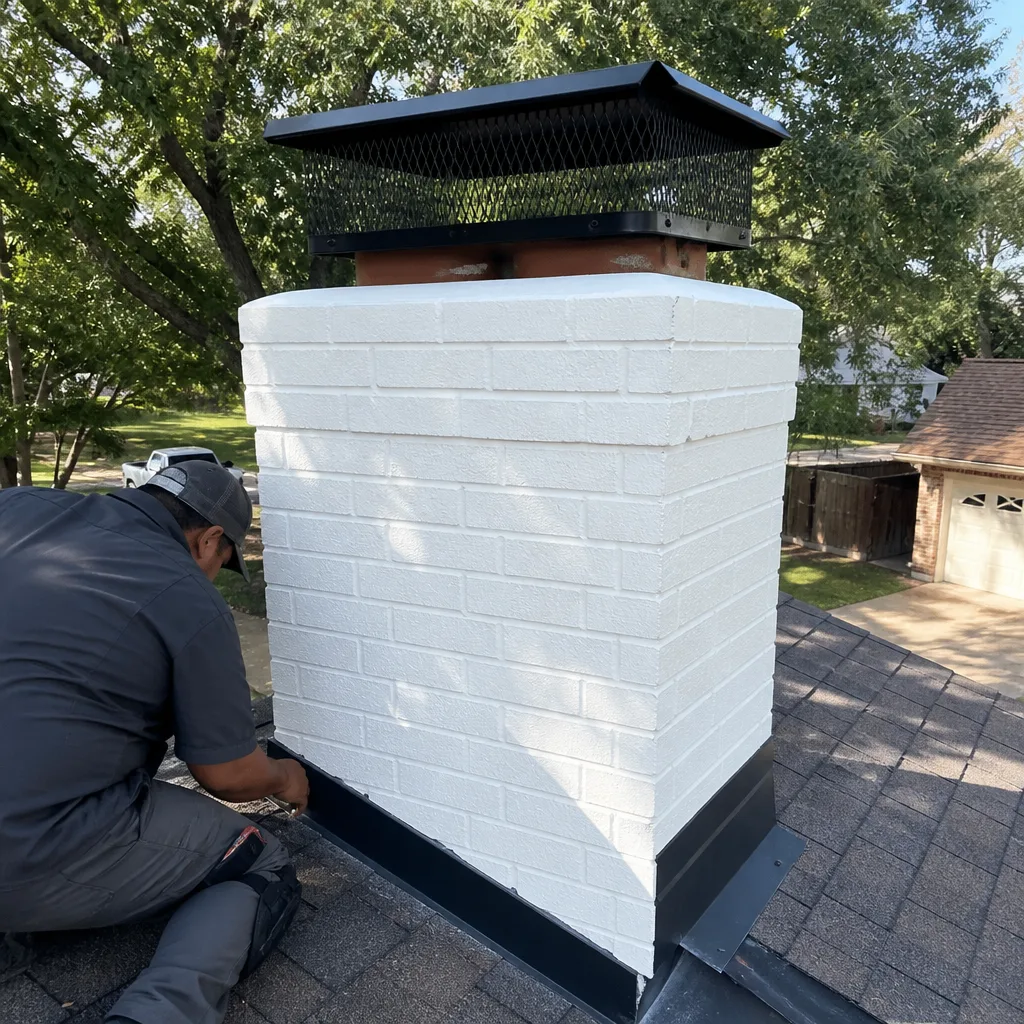
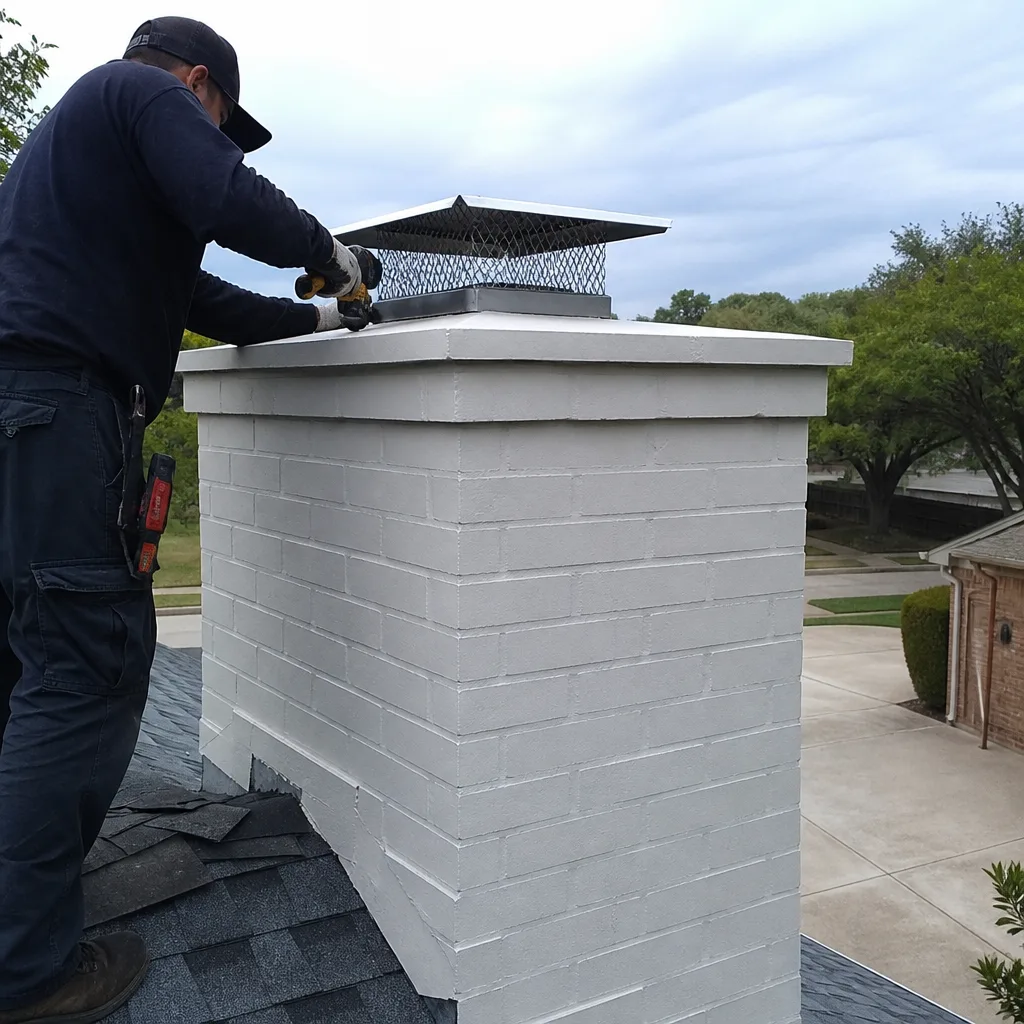
See the difference
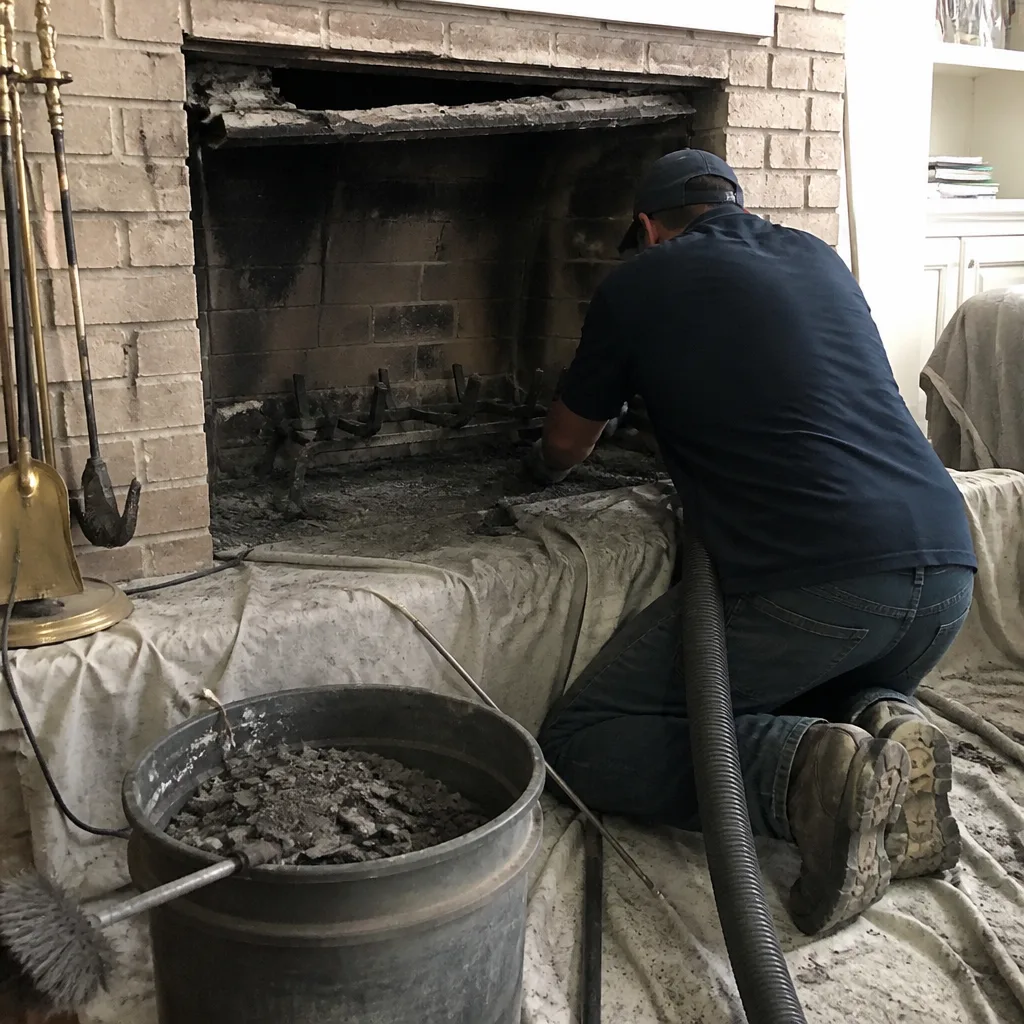 Before
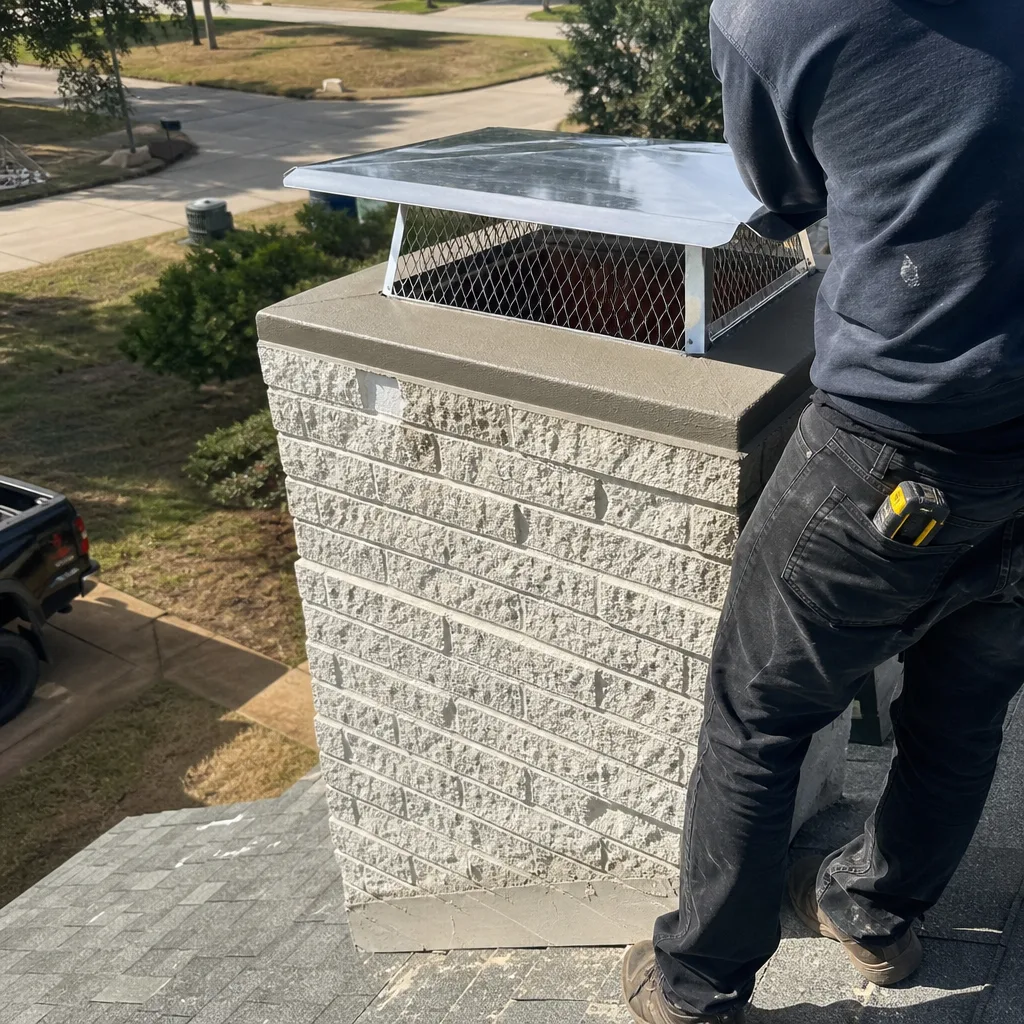 After
After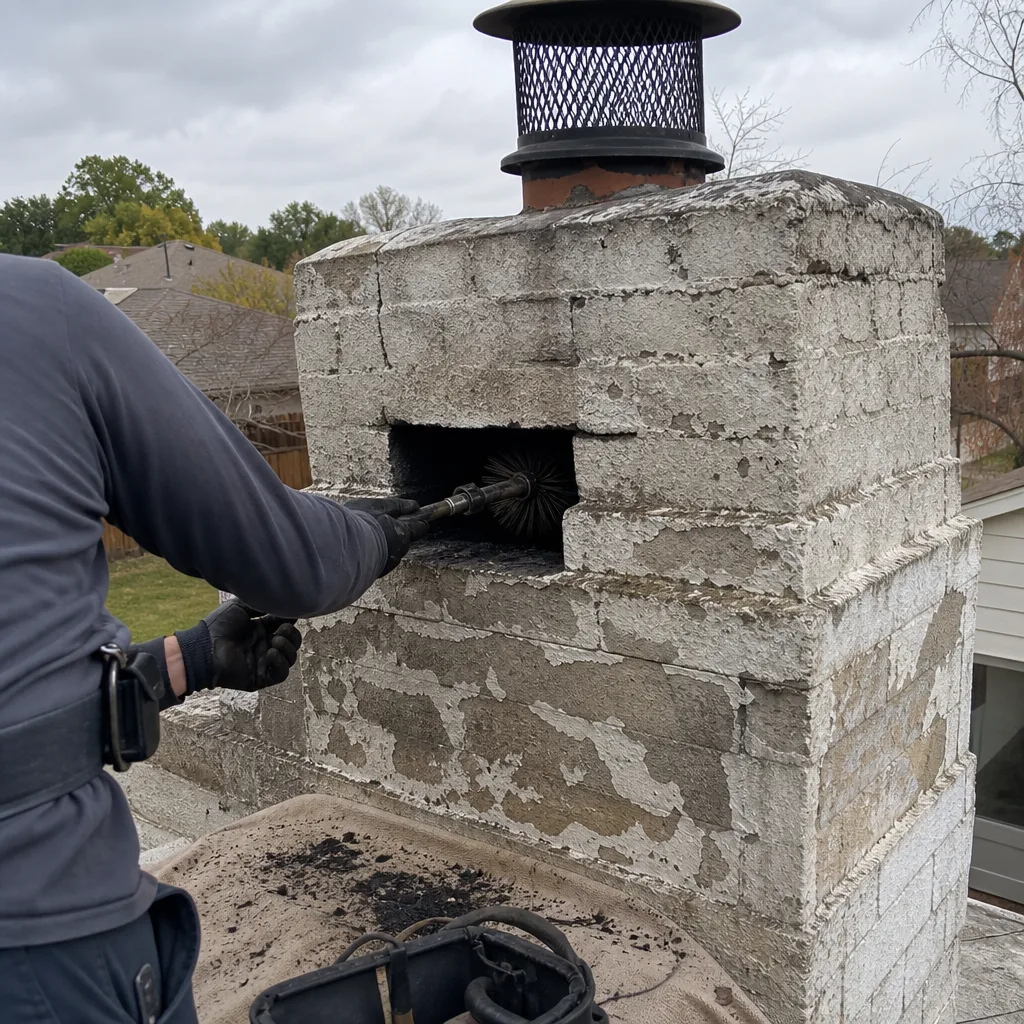 Before
 After
After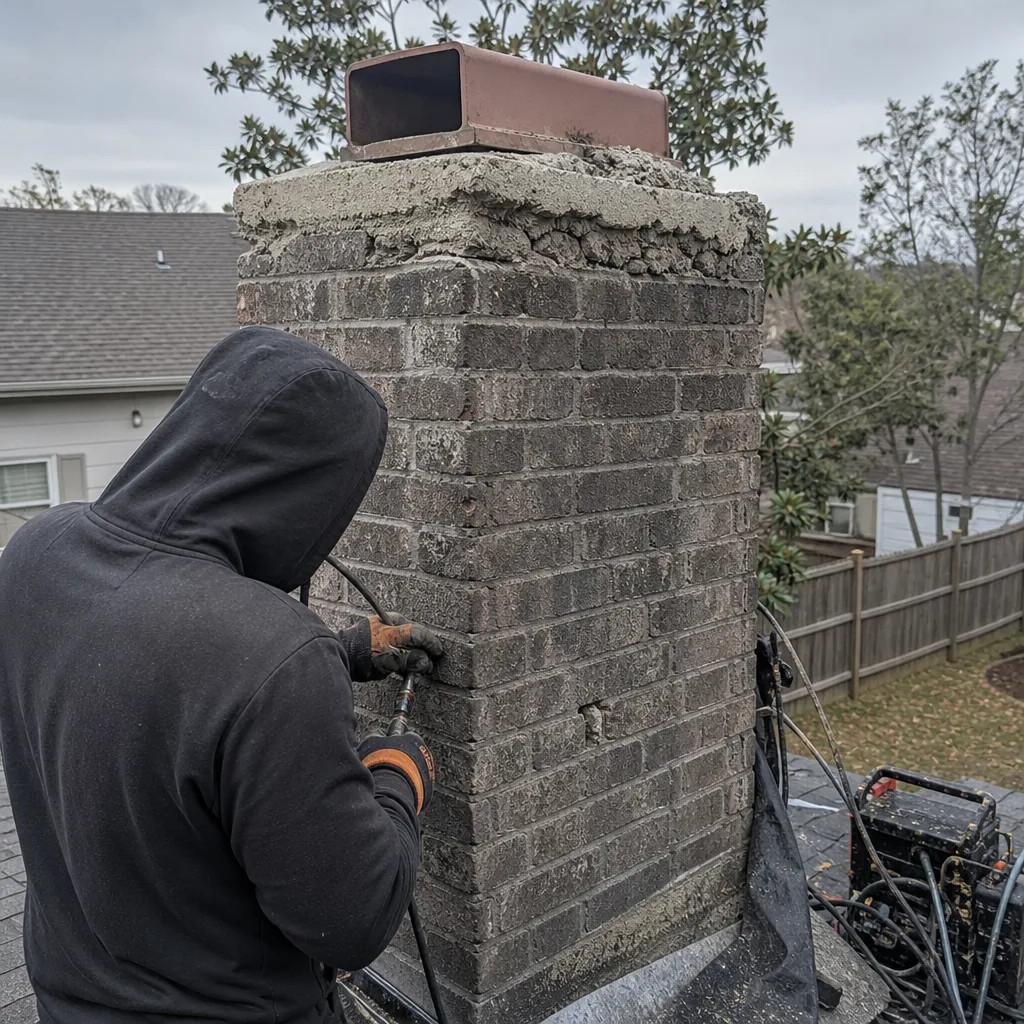 Before
 After
After