
Last updated October 15, 2026
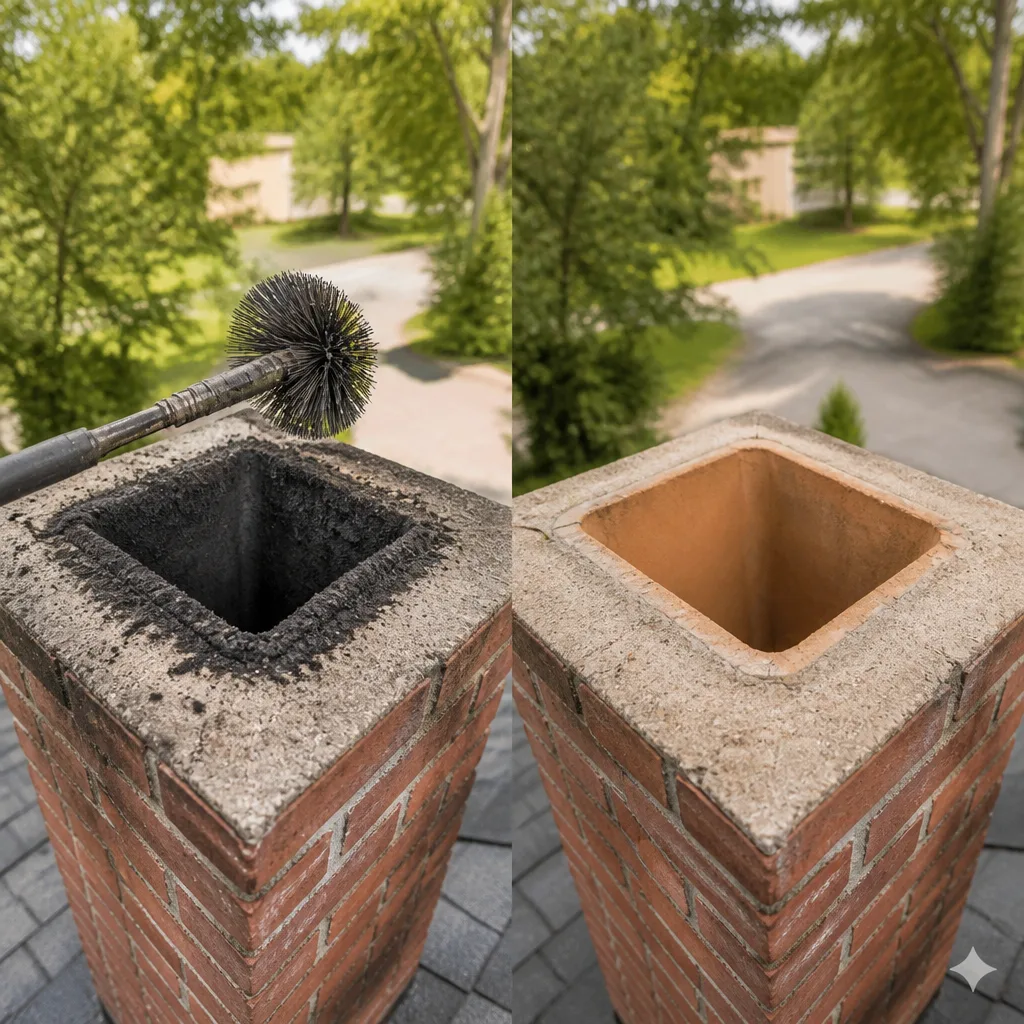 Sweep & inspection
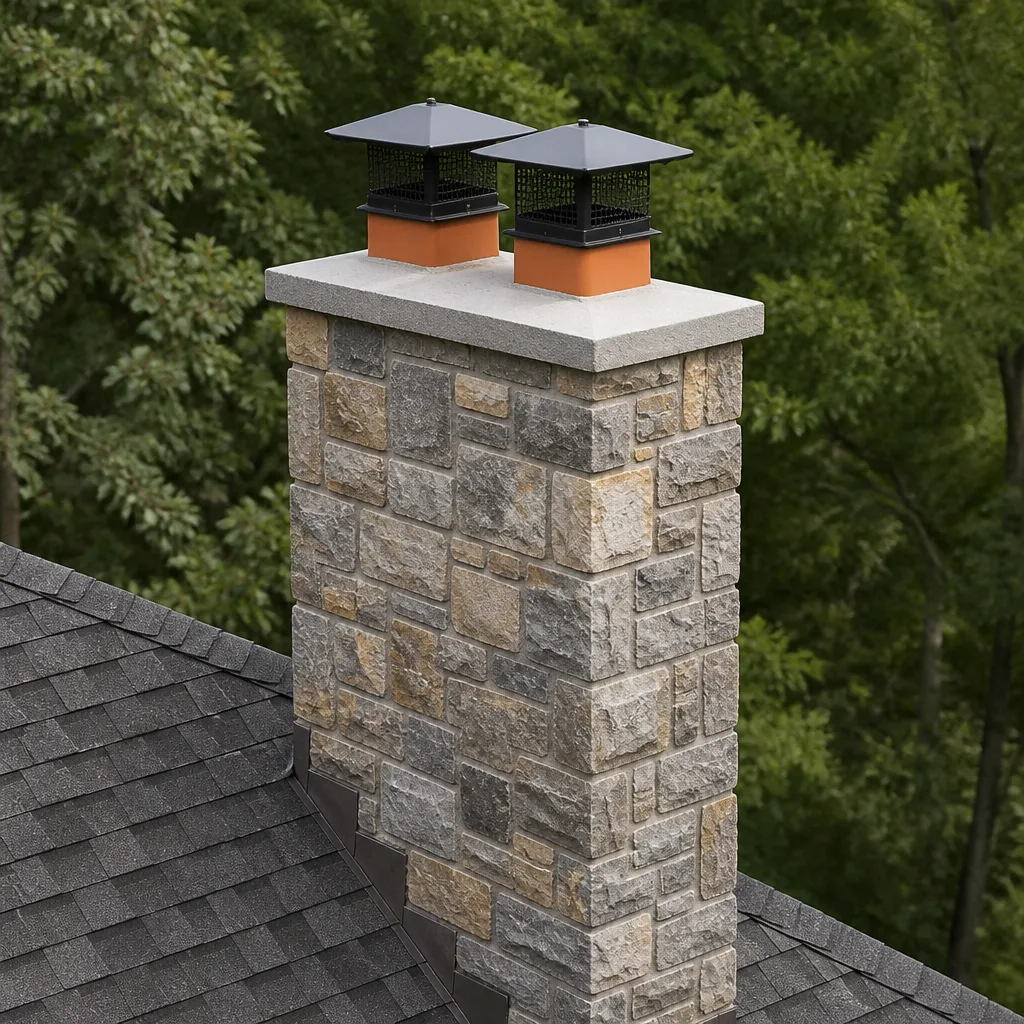 Caps & crowns
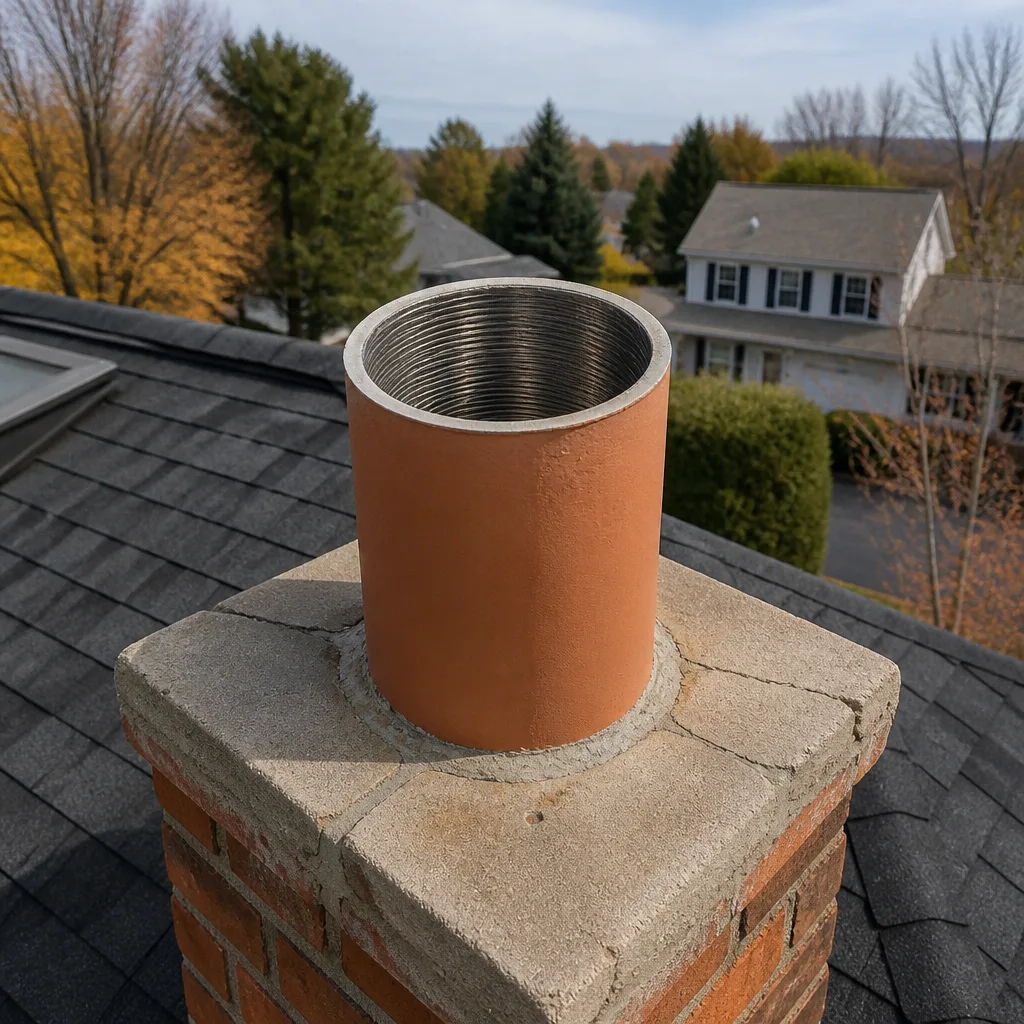 Flue relining
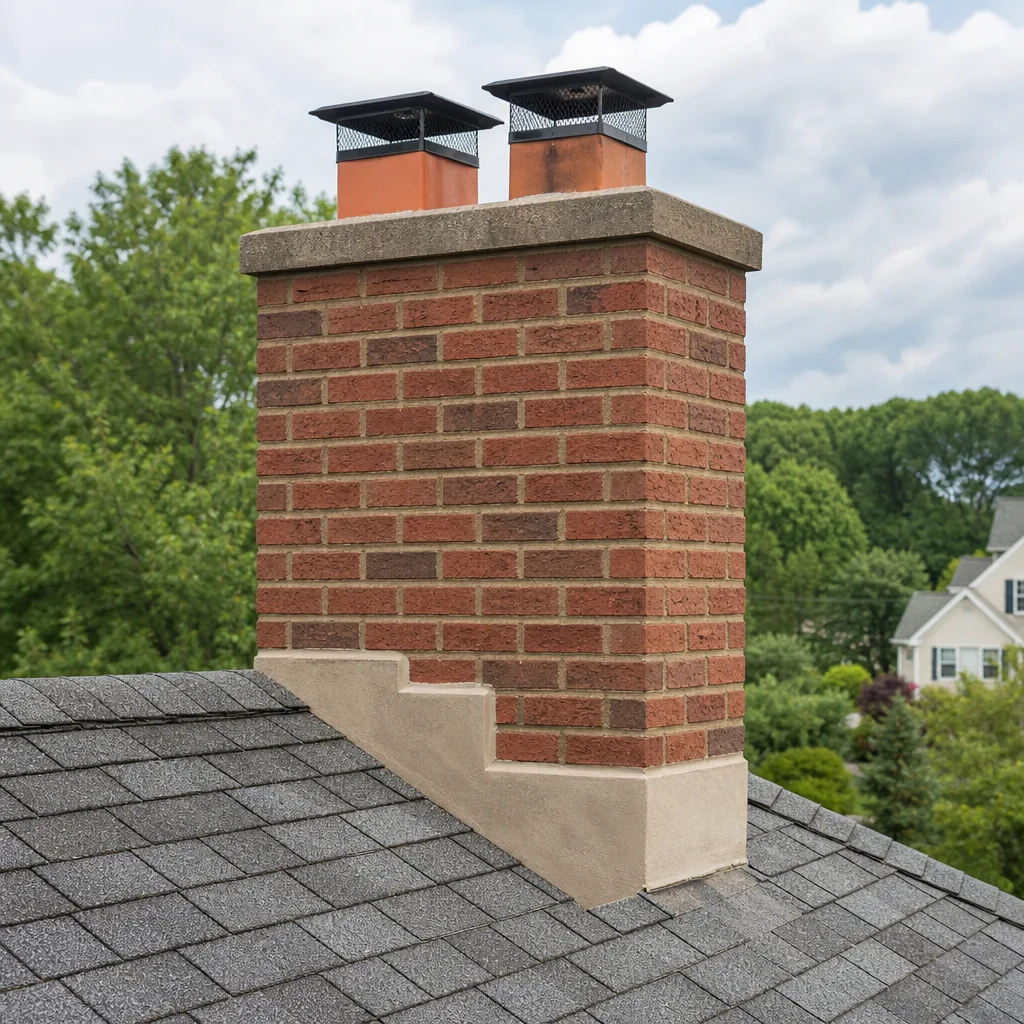 Masonry repair
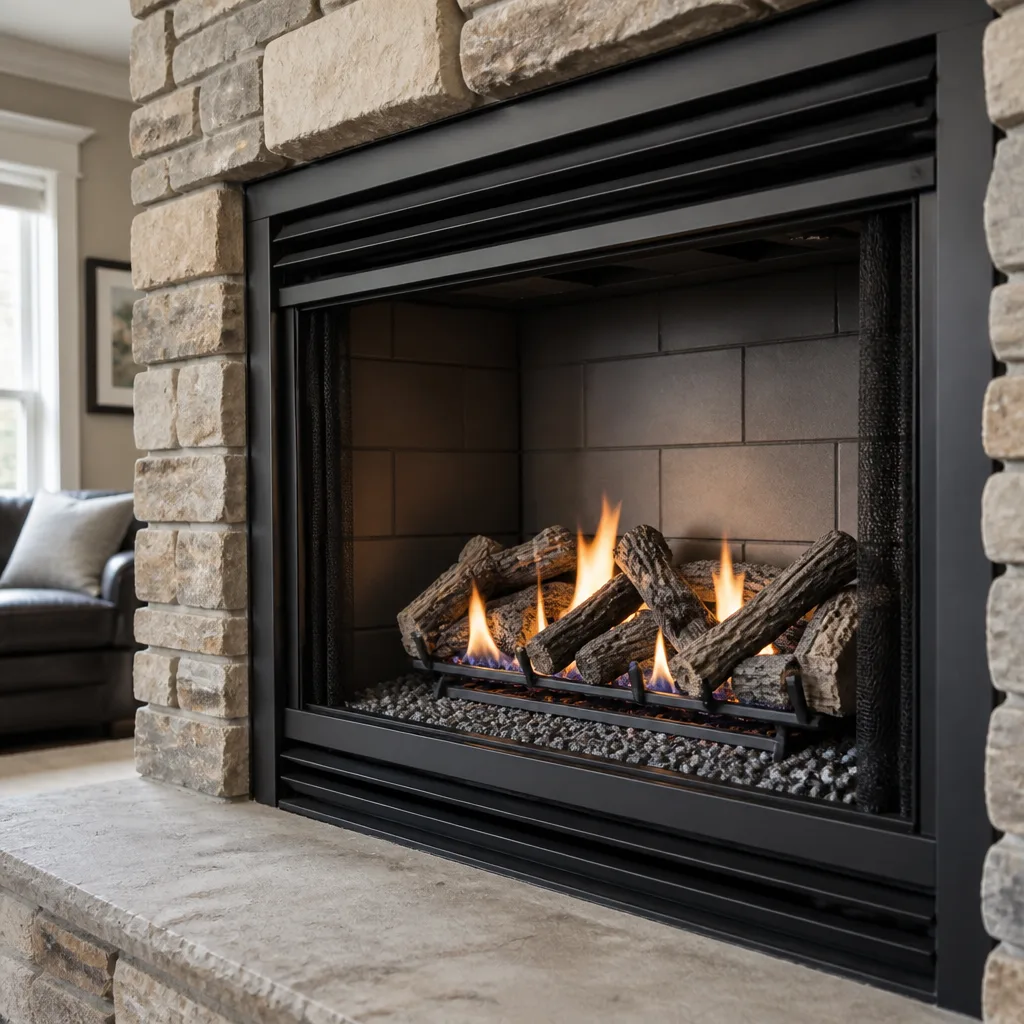 Gas fireplace service
Level 1 sweep and inspection to the NFPA 211 annual standard - flue, crown, cap, and flashing checked and photographed
Chimney sweep logs do not sweep chimneys. They loosen some creosote - which then falls where a brush and vacuum still have to collect it.
Seasonal Chimney Cleaning Care for Dallas: Year-Round Homeowner’s Guide
Most national chimney advice tells you to book a cleaning every fall. That calendar works fine for Minneapolis or Boston. It fails in Dallas, where August heat and humidity open hairline cracks in crown sealant and flashing caulk months before the first cold snap arrives. This guide rebuilds the maintenance calendar around what North Texas weather actually does to a chimney, and shows you which tasks you can handle from the ground and which ones belong to a trained tech on the roof.
Styles & brands we work with
Quick Answer
In Dallas, chimney care runs on a four-season calendar shaped by heat and humidity, not just cold-weather use. Schedule a professional inspection and sweep in September, after summer heat has done its damage but before cold fronts make appointments scarce. Book a second, lighter check in March to catch winter wear before spring rain seeps into any new cracks. Between those visits, handle monthly visual checks from the ground and keep the firebox clear of ash and debris. A standard sweep in Dallas typically runs $180 – $295-see our Chimney Cleaning Cost Breakdown: The Dallas Homeowner’s Reference for 2026 for full pricing factors-and a full inspection adds $100 – $250 depending on chimney height and access.
Table of Contents
- Why Dallas Weather Breaks the Standard Chimney Calendar
- What Dallas Summers Do to Chimney Crowns, Flashing, and Mortar
- The Dallas Month-by-Month Chimney Maintenance Matrix
- The Gas Fireplace Maintenance Calendar (It’s Different)
- How to Winterize a Chimney You Won’t Use This Winter
- Owner Tasks vs. Professional Tasks: A Clear Division
- What Should a Chimney Sweep Cost in Dallas?
- Common Mistakes to Avoid
- When to Call a Professional
- Frequently Asked Questions
- The Bottom Line
Why Dallas Weather Breaks the Standard Chimney Calendar
The conventional chimney calendar assumes winter is the enemy. In Dallas, the real adversary is the stretch between late May and mid-September. Daytime highs above 100°F bake the chimney crown (the concrete cap that sheds rain off the top of the masonry). Nighttime temperatures drop 25 to 30 degrees. That daily expansion and contraction cycle works on every joint, every sealant line, every mortar bead. Add humidity that regularly pushes past 70 percent, and you get moisture working its way into spaces that dry climates never see.
We’ve pulled apart chimneys in Lakewood and Richardson in late August where crown sealant had cracked wide open, not from age, but from three consecutive months of thermal cycling. The damage looks like what a northern chimney shows after five winters. The difference is, the northern homeowner sees the problem in April. The Dallas homeowner often doesn’t see it until a November rainstorm drips through the ceiling.
That’s why the single best time to schedule chimney cleaning in Dallas is September. It’s the first window after summer humidity has had its full effect on mortar, and before the first cold front makes appointments hard to book. Not October. Not “sometime before Thanksgiving.” September.
A second, lighter pass in March catches what winter use left behind before spring rain enters any exposed mortar cracks. Two professional touchpoints a year, spaced to match the climate, beats the old once-a-year routine every time.
What Dallas Summers Do to Chimney Crowns, Flashing, and Mortar
Between May and August, three components take the worst of a Dallas summer. Knowing what they are and what to look for tells you when a problem is cosmetic and when it’s structural.
The Crown
The chimney crown is the concrete slab on top of the chimney that sheds rain away from the flue. A properly built crown overhangs the brick by at least two inches and carries a slight slope. When crown sealant cracks, water pools against the flue tile and seeps down through the masonry. In a Dallas summer, crown sealant can fail in a single season. The heat draws oils out of lower-grade sealants, leaving them chalky and brittle by Labor Day.
Flashing
Flashing is the sheet metal that bridges the gap between chimney and roof. The caulk that seals flashing to brick and shingle takes a beating from UV exposure. Dallas gets more than 230 sunny days a year. That’s more UV load than most U.S. cities. Caulk that would last five years in Seattle might last three here. When flashing caulk separates, rain follows the seam and runs straight into the attic.
Mortar Joints
Mortar is the glue between bricks. Over time, mortar erodes, a process called spalling. The heat cycle accelerates it. The tell: thin white powder or small piles of sand at the base of the chimney, or visibly recessed joints between bricks. Once water enters a mortar joint, the next freeze-thaw cycle (yes, Dallas gets them) pops the joint wider.
One field note from our work in the Park Cities: chimneys built before 1980 in Dallas often used a softer, higher-lime mortar than modern mixes. Those older chimneys erode faster in prolonged heat. If your home dates to that era, expect more frequent tuckpointing (replacing damaged mortar between bricks) than a newer build would need.
The Dallas Month-by-Month Chimney Maintenance Matrix
Here’s the full year, broken down by what the weather is doing and what you should be doing about it.
January and February: Use It, Watch It
- Owner task: Check for soot buildup inside the firebox after each use. A thin, black coating is normal. A thick, flaky layer is not.
- Owner task: Look for water stains on the ceiling near the chimney after heavy rain. Stains mean flashing or crown failure.
- Professional task: None required during these months unless you see water intrusion or smell smoke in the house when the fireplace is not in use.
March: Post-Winter Inspection
This is the second-most important month on the Dallas chimney calendar. Book a professional inspection before spring rains arrive in force. Winter fires leave creosote (a tarlike combustion byproduct) coating the flue. Creosote is acidic. Sitting all spring and summer, it accelerates liner corrosion. A March sweep removes the creosote before it has six humid months to eat at the liner.
- Owner task: Schedule a Chimney Inspection in Dallas for a Level 1 check at the minimum. A Level 1 inspection covers the readily accessible portions of the chimney interior and exterior.
- Professional task: The tech checks for winter spalling, flue cracking, and creosote stage. Expect a written report with photos of anything that needs watching.
April and May: Spring Rain and Shoulder Season
- Owner task: After any storm with wind over 40 mph, check the yard for displaced chimney caps or metal debris. Cap damage is the most common wind-related failure we see in Dallas.
- Owner task: If you skipped March, May is your last practical window before the heat sets in and makes roof work miserable for the tech and the materials.
- Professional task: Minor tuckpointing and crown resealing are best done now, before sealant has to cure in triple-digit heat. Many sealants won’t cure properly above 95°F.
June, July, August: The Danger Season
This is Dallas’s true “offseason” for chimney use, but the busiest season for chimney damage. Most homeowners ignore the chimney entirely from June through August. The smart move: do one ground-level visual check midway through the summer.
- Owner task: In July, look at the crown from across the street using binoculars. You’re checking for visible cracks, missing chunks, or plant growth. Vegetation in the crown means moisture is pooling. That’s a problem.
- Owner task: Check interior walls near the chimney for dampness or paint bubbling. Humidity plus a cracked crown equals slow water intrusion that shows up as cosmetic damage first.
- Professional task: Avoid scheduling non-emergency roof work during heat advisories. Sealants applied above 100°F often fail early, and the tech is working in dangerous conditions. Wait for September.
September: The Primary Sweep Window
This is the month to book your annual cleaning and full inspection. Here’s why September, not October:
- Summer heat damage is complete and visible. A September inspection catches August crown cracks before rain finds them.
- You’re ahead of the fall rush. October and November appointments fill fast, and you want a tech who isn’t rushing between eight jobs.
- Any repairs needed can be scheduled and completed before burning season starts. A liner issue found September 5th gets fixed by October. The same issue found November 20th might mean no fires until January.
In our experience, a September sweep in Dallas costs the same as an October one. Some seasons we’ve seen slight price increases during peak demand. Book early and lock the rate.
October and November: The Burning Season Opens
- Owner task: Before the first fire, check that the damper opens and closes fully. A seized damper is common after a long idle summer.
- Owner task: Test your carbon monoxide detector. Simple, cheap, non-negotiable.
- Professional task: If you missed September, book now. But expect competition for slots and plan for a one-to-two-week lead time during peak weeks.
December: Peak Use, Peak Creosote
- Owner task: Burn only seasoned hardwood. Unseasoned wood smolders at lower temperatures and produces creosote at three to four times the rate of dry wood. In Dallas, oak and pecan are the two most available suitable hardwoods.
- Owner task: Every two weeks of regular use, shine a flashlight up the flue with the damper open. You’re looking for a flat, black, shiny coating. Shiny creosote is stage-three (glazed) creosote and it is a chimney fire waiting to happen.
The Gas Fireplace Maintenance Calendar (It’s Different)
Gas fireplaces run on the same annual rhythm roughly, but the tasks differ and the risks are less visible. A gas log set produces no creosote, but it does produce soot buildup on logs and burner ports, and it relies on a thermocouple and pilot assembly that fail silently.
The Thermocouple and Pilot Check
The thermocouple is a small sensor that tells the gas valve the pilot light is lit. When it fails, the gas valve shuts down for safety. That’s good by design, but it means a cold fireplace on the first cold night. Dallas gas fireplaces typically get their first fall use in November, sometimes late October. The smart practice: test-fire the unit in mid-September.
- Mid-September: Turn on the gas fireplace and let it run for ten minutes. Watch for even flame across the burner. Uneven flame means clogged burner ports.
- Check the pilot: The pilot flame should be blue with a small yellow tip. A mostly-yellow, lazy flame means the pilot is dirty or the gas pressure is off.
- Wait for it: Turn the fire off and wait five minutes. Relight it. If the pilot won’t hold or the main burner won’t catch, the thermocouple is the likely culprit.
Gas fireplace servicing costs less than a full masonry sweep in most cases. Plan on $100 – $180 for a standard gas log service call in Dallas, which covers cleaning the logs, clearing burner ports, checking the thermocouple, and verifying the vent is clear.
Vented gas fireplaces still pull air through the chimney, and they still need an annual flue check. Vent-free units don’t use the chimney, but they do need annual inspection for proper combustion and carbon monoxide output. Homes with vent-free gas logs in bedrooms or tightly-sealed spaces need particular attention, since they introduce combustion byproducts directly into the living space.
How to Winterize a Chimney You Won’t Use This Winter
Some Dallas homeowners shut down the fireplace entirely. Snowbirds, renters between tenants, homeowners mid-renovation. A dormant chimney still needs attention, just a different kind.
- Schedule the sweep anyway. A clean flue attracts less moisture and corrodes slower. The sweep is just as important for a chimney you won’t use as for one you will.
- Close the damper but not the air entirely. Seal the damper shut, but don’t install an airtight plug unless you’re certain the chimney can breathe elsewhere. A fully sealed chimney traps humidity and accelerates spalling inside the flue.
- Install or verify a chimney cap. This is the most important single piece of winterization. A capped chimney keeps rain, leaves, and nesting birds out. In Dallas, chimney swifts (a protected migratory bird species) commonly nest in uncapped flues from April through September. They’re protected by federal law during nesting season, which means an uncapped chimney can become legally off-limits for removal.
- Check the exterior once a month. Rain on a dormant chimney does more damage than rain on a used one, because no fire ever dries the masonry from the inside.
- Run the inspection anyway. A dormant chimney with hidden flashing damage still leaks into the attic. The damage does not skip a year because you skipped the fire.
Owner Tasks vs. Professional Tasks: A Clear Division
Some things you can and should do yourself. Other things belong on a ladder with a trained tech. The line is simple: if it requires roof access, a ladder above six feet, or tools you don’t own, it’s a professional job.
Owner tasks (from the ground, with ordinary tools)
- Monthly visual check of the chimney exterior from street level
- Checking for water stains on ceilings and walls near the chimney
- Clearing ash from the firebox when it exceeds one inch deep
- Testing the damper before first seasonal use
- Replacing smoke and carbon monoxide detector batteries
- Testing a gas fireplace pilot light in September
- Checking for debris in the yard after storms
Professional tasks (roof access, specialized tools, or safety-critical)
- Any work on the crown, flashing, or chimney cap
- Flue cleaning (brush and rod work from the roof or firebox)
- Chimney inspection at Level 2 or higher (requires camera equipment)
- Tuckpointing and mortar repair
- Flue relining (replacing the inner liner that channels smoke safely out of the house)
- Chase cover replacement on prefabricated chimneys
- Any repair involving gas line connections or combustion safety
Here’s the safety caveat that matters: chimney work on a roof combines heights with masonry, metal, and sometimes live gas lines. A fall from a two-story roof is a catastrophic event. The professional-grade materials we work with, including Gelco and Olympia Chimney products, are rated for the thermal stress a Dallas chimney endures. Homeowner-grade sealant from a hardware store is not, and a fall off a ladder costs more than any sweep.
What Should a Chimney Sweep Cost in Dallas?
Here are the numbers as of 2025, based on what we charge and what we see across the Dallas market.
| Service | Typical Dallas Price Range | What’s Included |
|---|---|---|
| Standard chimney sweep (wood-burning, one flue) | $180 – $295 | Full flue brushing, firebox cleanout, damper check, visual inspection |
| Level 1 inspection | $100 – $175 | Visual check of accessible interior and exterior components |
| Level 2 inspection | $250 – $450 | Camera scan of flue interior, required for real estate transactions or after a chimney fire |
| Gas log service | $100 – $180 | Log cleaning, burner port clearing, thermocouple check, vent verification |
| Crown resealing | $300 – $700 | Sealant stripped and reapplied; cost depends on crown size and condition |
| Tuckpointing (per linear foot) | $15 – $35 | Mortar joint replacement; pricing varies with brick access and joint depth |
| Chimney cap supply and install | $150 – $400 | Cap cost plus roof access; stainless steel models run higher |
These are ballpark figures. Roof pitch, chimney height, and access difficulty move the final number. What should not move it is the price once quoted. Every job at Flint Chimney Co Dallas gets a written price before any work starts. The number on the invoice is the number you approved. That’s part of The Garrison Standard, the operating code every Garrison Partners location follows. We’ve been doing it that way since 2002.
Common Mistakes to Avoid
- Waiting until October to book. You’re now competing with every other homeowner in Dallas who had the same thought. September slots are wide open by comparison. Book September.
- Skipping the March check because “we didn’t use the fireplace much this winter.” The March inspection is about water intrusion before spring rain, not about creosote. Different season, different threat.
- Using unseasoned wood from a big-box store. Kiln-dried is fine. “Seasoned” without a moisture meter reading is a guess. Wood above 20 percent moisture content smolders and produces heavy creosote.
- Ignoring a chimney cap. Uncovered flues in Dallas attract chimney swifts, squirrels, and rain. The cap is a $150 fix that prevents a $1,500 repair.
- Painting over a water stain instead of finding the source. A ceiling stain near the chimney is a flashing or crown failure, full stop. Paint hides the symptom. The leak continues.
- Sealing off a chimney with plastic and duct tape. Trapped humidity inside the flue accelerates mortar decay. The chimney needs to breathe. Install a proper cap instead.
- Hiring based on phone quote alone. A low price quoted over the phone with no visual inspection is a placeholder, not a bid. The real number comes after the tech sees the chimney, and that’s when the upsell pressure starts. Demand the written price on site, before work begins.
When to Call a Professional
Call a chimney professional when you see any of these: water stains on walls or ceilings near the chimney, visible cracks in the crown from street level, a smoke smell in the house when the fireplace is not in use, shiny black creosote inside the flue, or a gas fireplace that won’t stay lit. These are not DIY fixes. They indicate water intrusion, combustion safety failure, or both. A professional will diagnose with a camera or a direct visual check and give you a written price before any repair starts. Flint Chimney Co Dallas offers free estimates in Dallas, and repairs carry a 365-Day Done Right Promise: if a covered repair fails within one full year, we return at no charge. Call (361) 492-4099 to schedule.
Frequently Asked Questions
A standard chimney sweep in Dallas typically costs between $180 and $295 for a single wood-burning flue. The price varies with roof pitch, chimney height, and access difficulty. Gas log servicing runs less, typically $100 to $180. Every job at Flint Chimney Co Dallas gets a written price before work starts, so the number you approve is the number you pay. Call (361) 492-4099 for an exact quote, estimates are free.
Once a year is the minimum, but Dallas’s climate makes twice a year the smart play. A full sweep and inspection in September clears summer heat damage before burning season. A lighter inspection in March catches winter wear before spring rain enters mortar cracks. If you burn more than two cords of wood annually or burn unseasoned wood, sweep mid-season as well.
Maybe, but not always. A cracked or severely deteriorated flue liner is a genuine safety issue, because it can allow heat and combustion gases to escape into the home’s structure. But some liner damage can be repaired rather than replaced. At Flint Chimney Co Dallas, nothing is recommended without camera evidence you can see yourself. We use HeatShield and DuraFlex relining systems when replacement is warranted, and we show you the camera footage before we quote the work. If the liner is sound, we say so and document it.
Here’s the sequence. Creosote builds inside the flue. In a wood-burning chimney, heavy creosote plus a hot fire equals a chimney fire, which can crack the flue liner and spread into the attic. In a gas fireplace, skipped maintenance means clogged burner ports, a failed thermocouple, and potential carbon monoxide intrusion. In a dormant chimney, skipped maintenance means water intrusion through cracked flashing or crown sealant that goes unnoticed until the ceiling stains. None of it is worth the saved $200. Call (361) 492-4099 to book before it becomes a bigger number.
You can clear ash from the firebox. You cannot safely or effectively clean a flue from the ground. Professional sweeping requires roof access, specialized brushes sized to the flue, and the experience to know when what you’re seeing is a problem. Creosote removal also involves working with a combustible dust that requires proper containment. Leave the flue to a trained tech.
September. It’s after summer heat has done its full damage, before the fall scheduling rush, and early enough that any needed repairs can be completed before burning season. The second-best month is March, for a post-winter check before spring rain. We’ve been serving the Dallas market since 2002, and the September-March rhythm is what we recommend to every homeowner. Our Flint Chimney Co Dallas home page details how we work, and the Chimney Sweep in Dallas page covers the sweeping process. For repair details, see Chimney Repair in Dallas.
The Bottom Line
Dallas chimneys fail on a different schedule than chimneys anywhere else in the country. Heat and humidity are the primary threats here, and they operate hardest between May and September. The practiced homeowner runs a two-visit calendar: a March inspection to close out winter, and a September sweep and inspection to recover from summer. Anything less leaves you catching problems after they’ve already become repairs. For more guides & resources, explore our blog, and find a company that puts the price in writing before the work starts, backs repairs with a written guarantee, and answers the phone when you call. That’s what we built Flint Chimney Co Dallas to be, and that’s how we’ve run it for over twenty years under The Garrison Standard.
Written by Hank Delano, Owner at Flint Chimney Co Dallas, serving Dallas since 2002.
See the difference
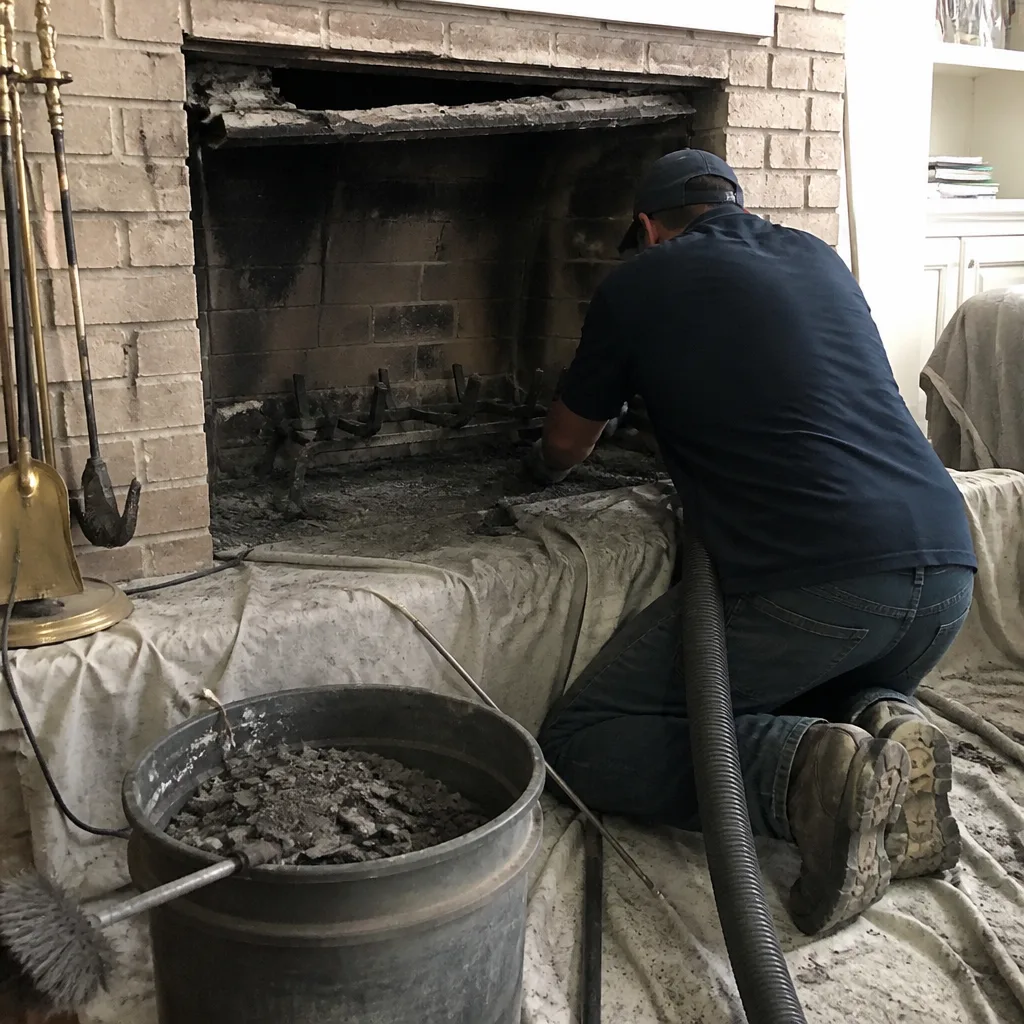 Before
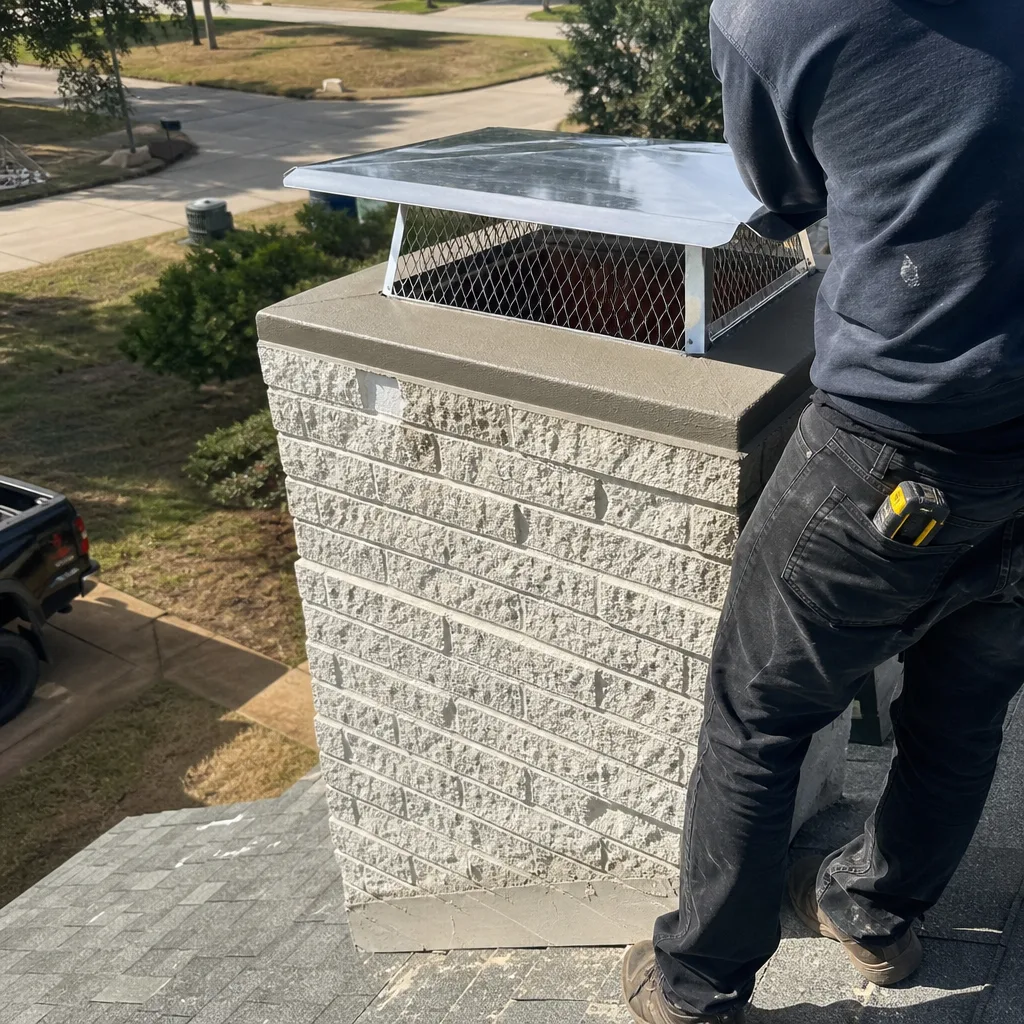 After
After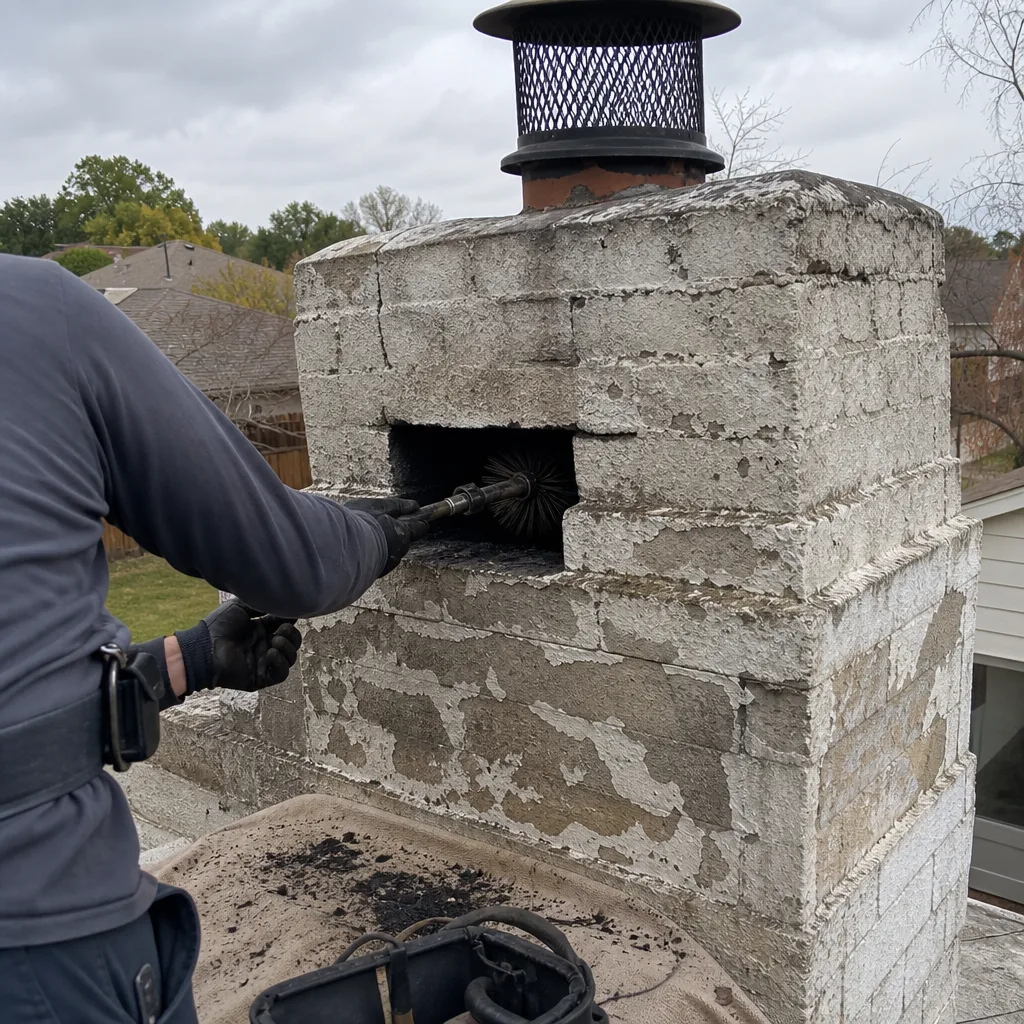 Before
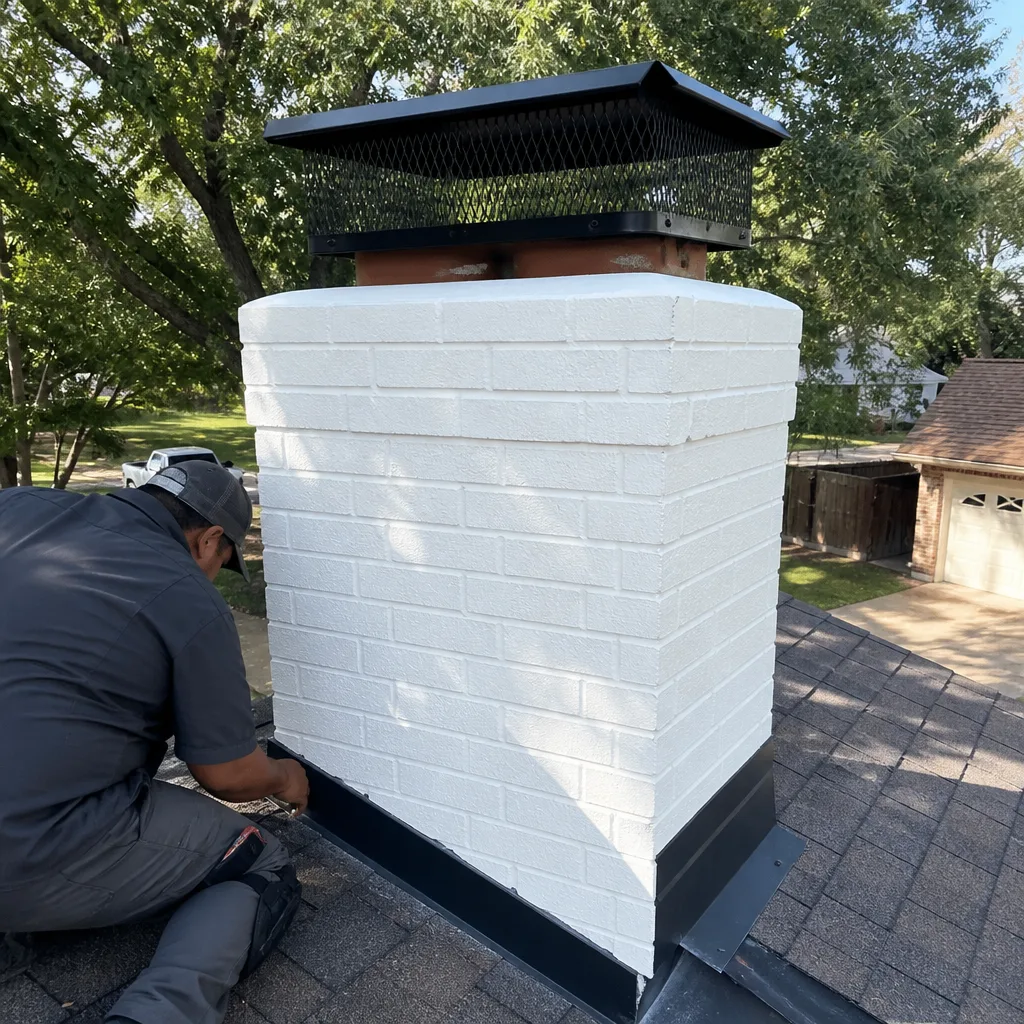 After
After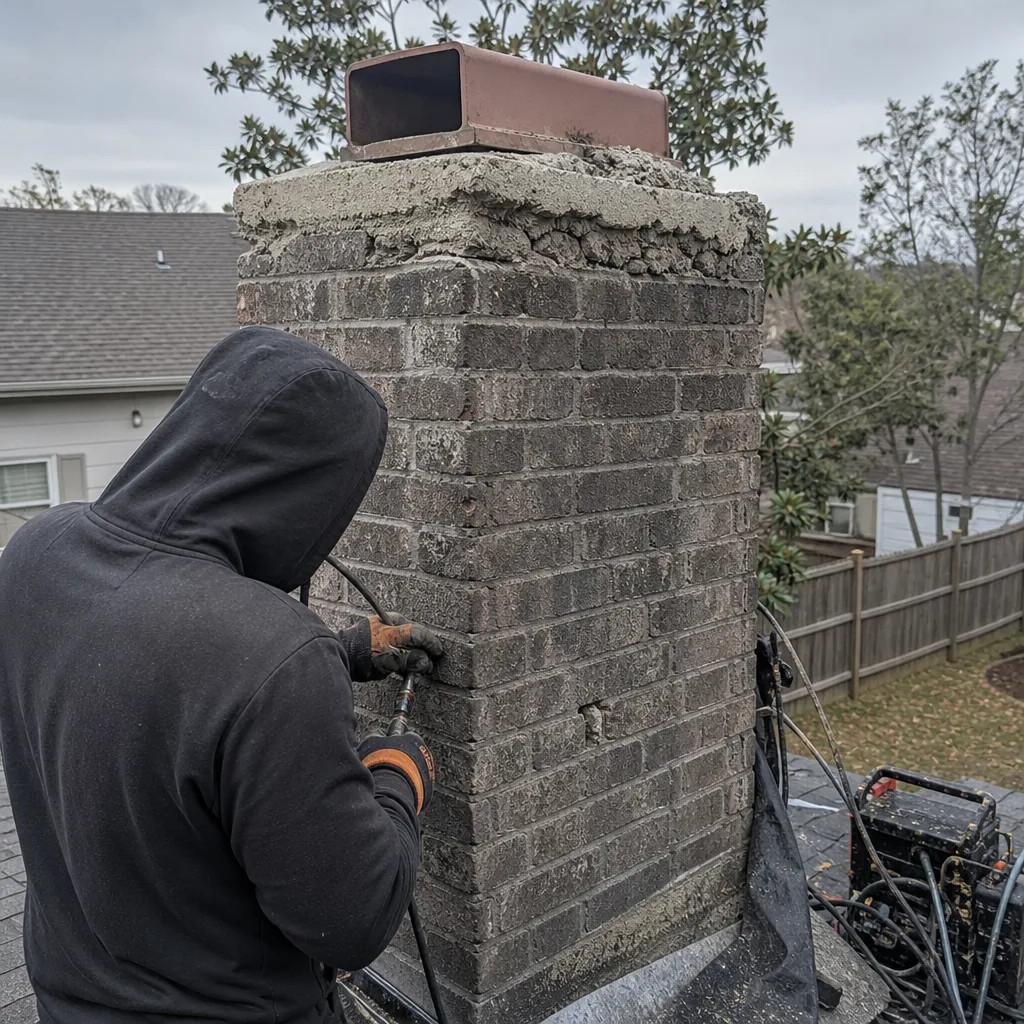 Before
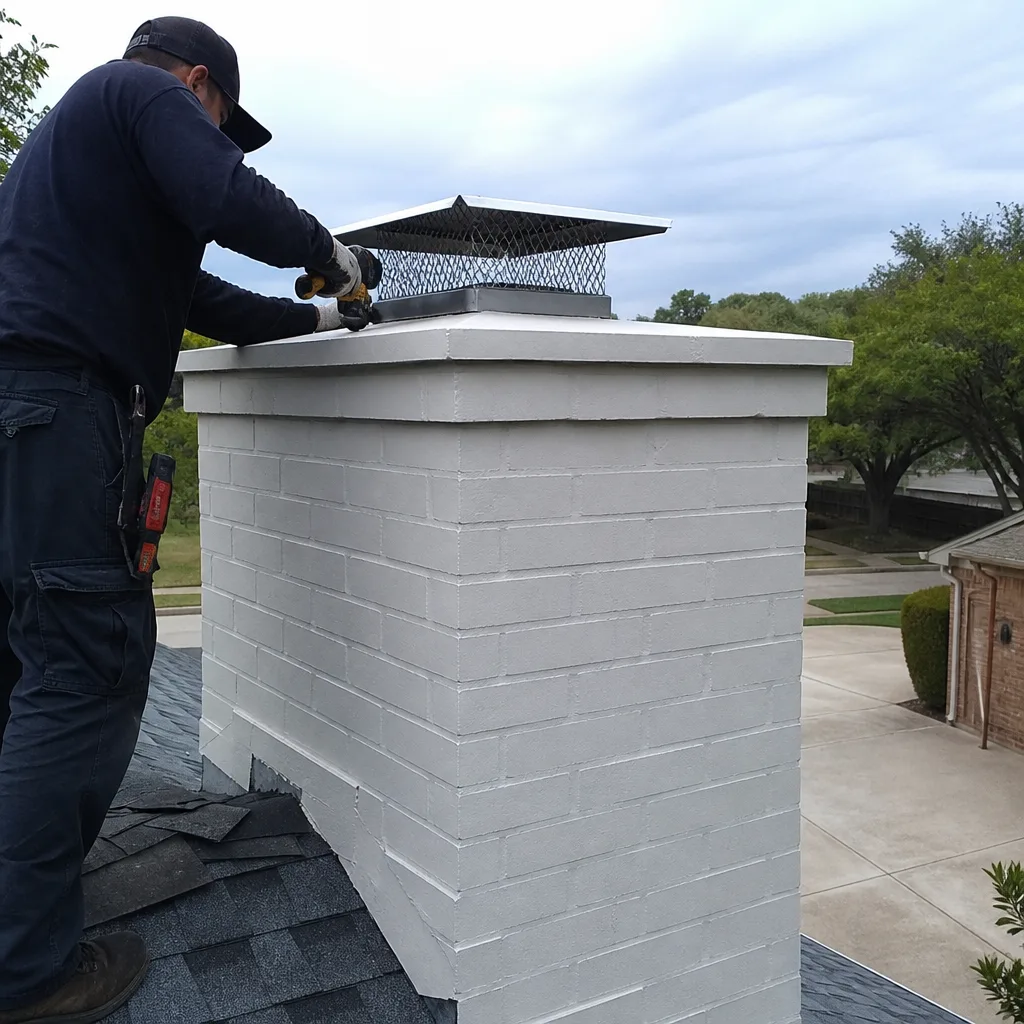 After
After