
Last updated October 15, 2026
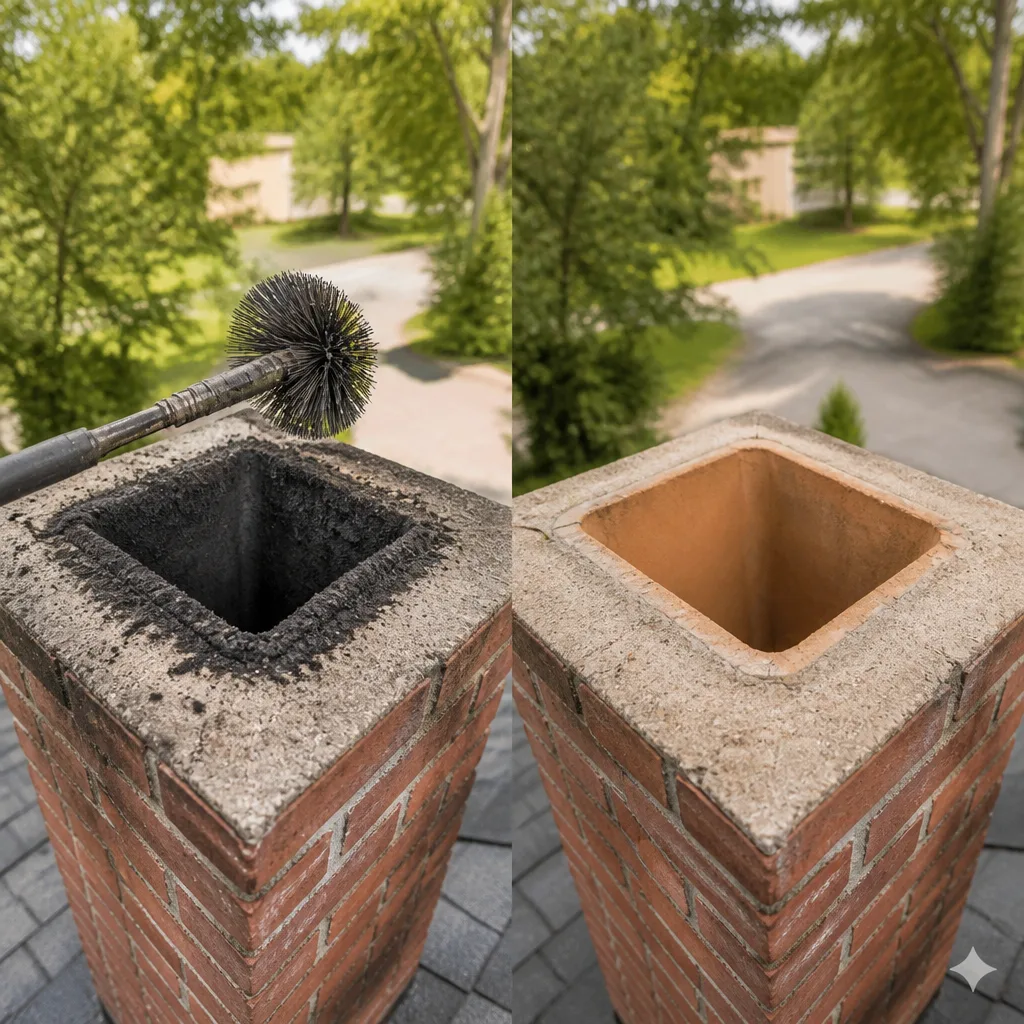 Sweep & inspection
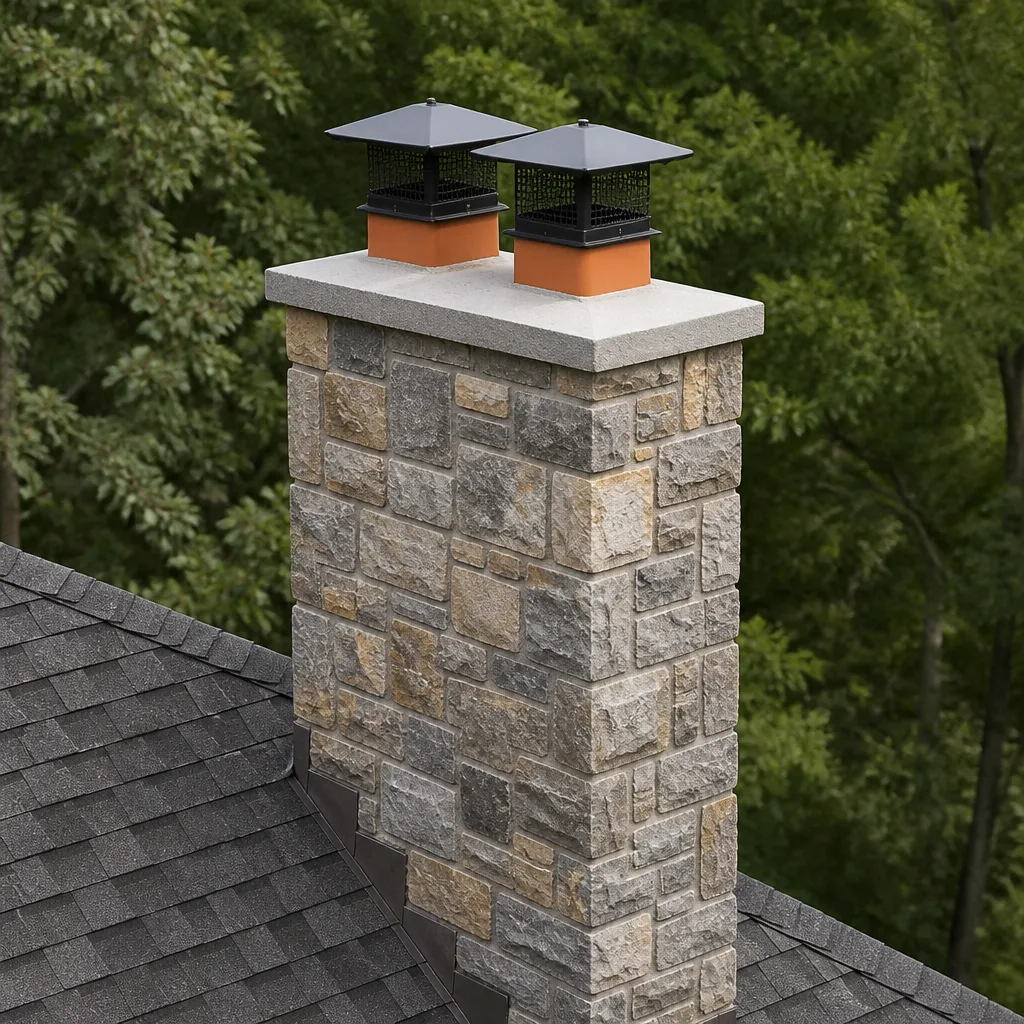 Caps & crowns
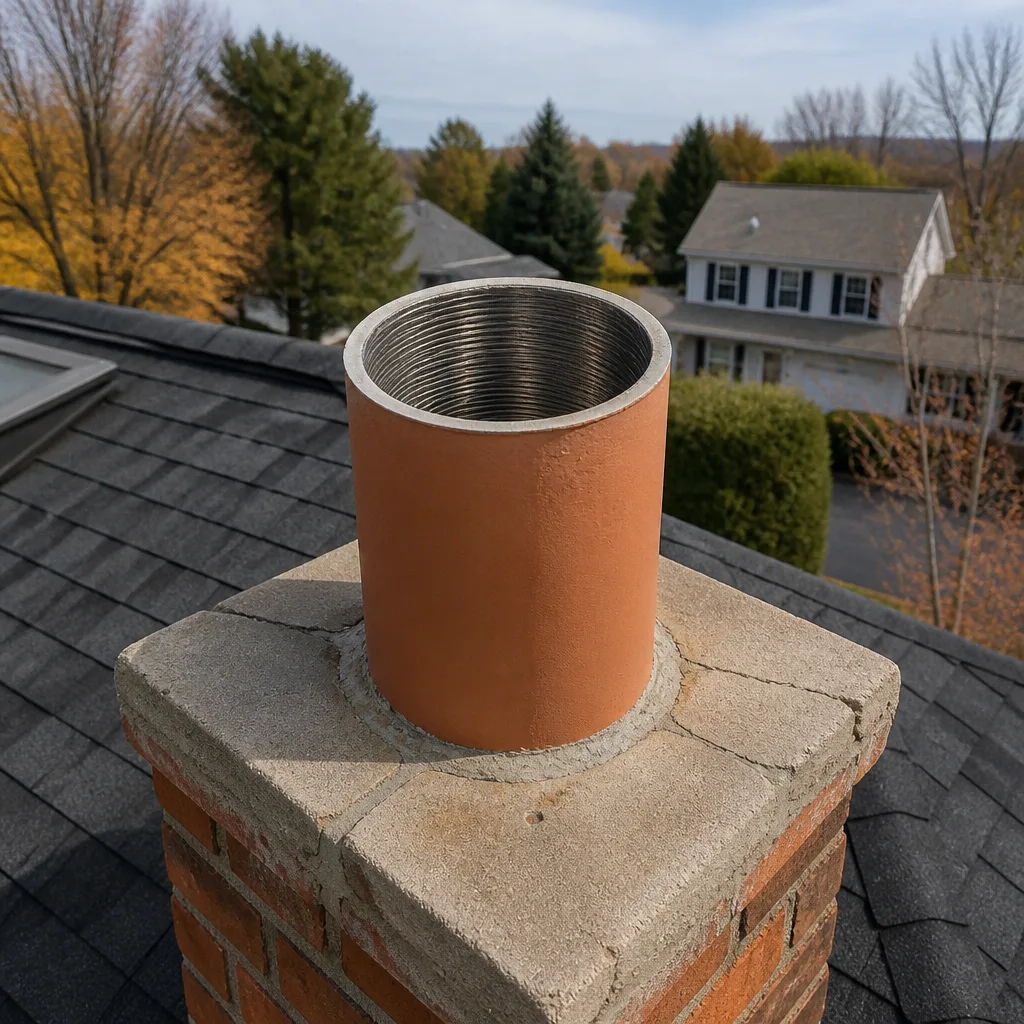 Flue relining
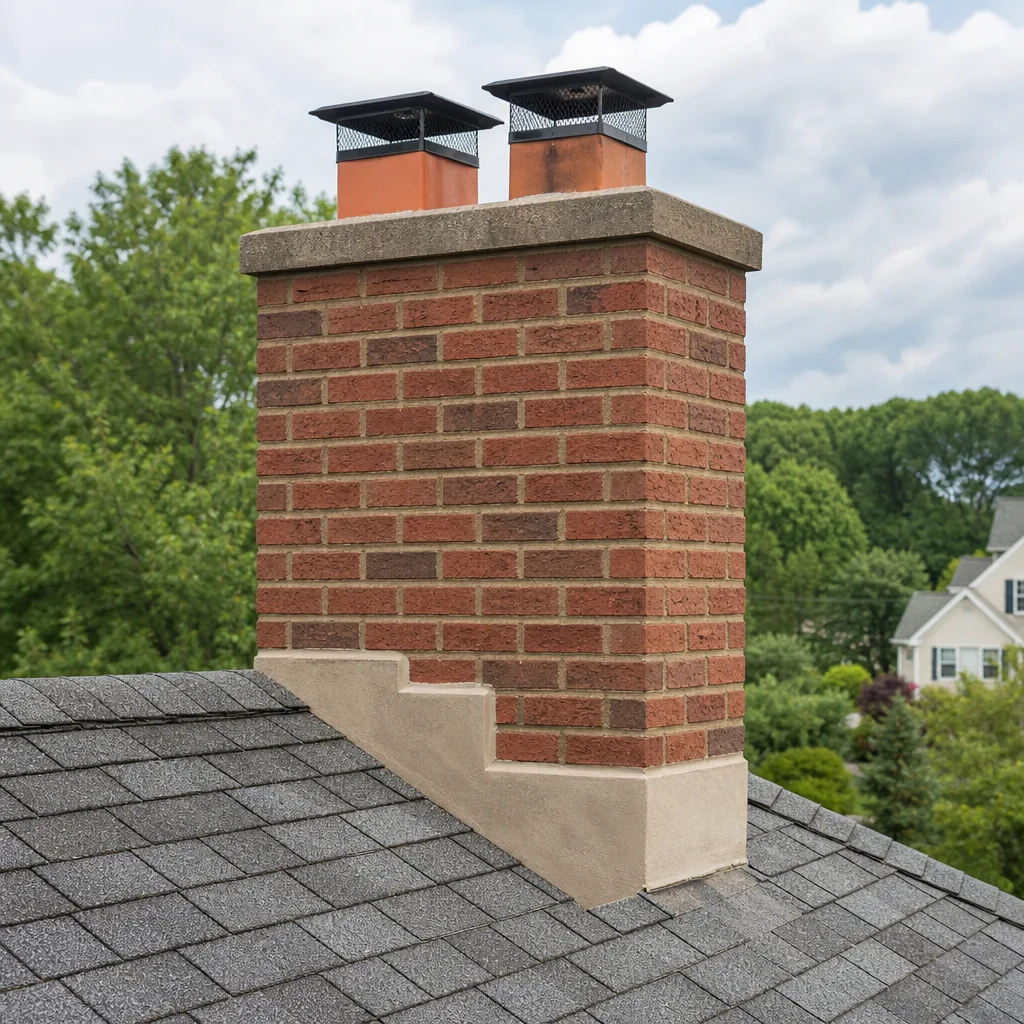 Masonry repair
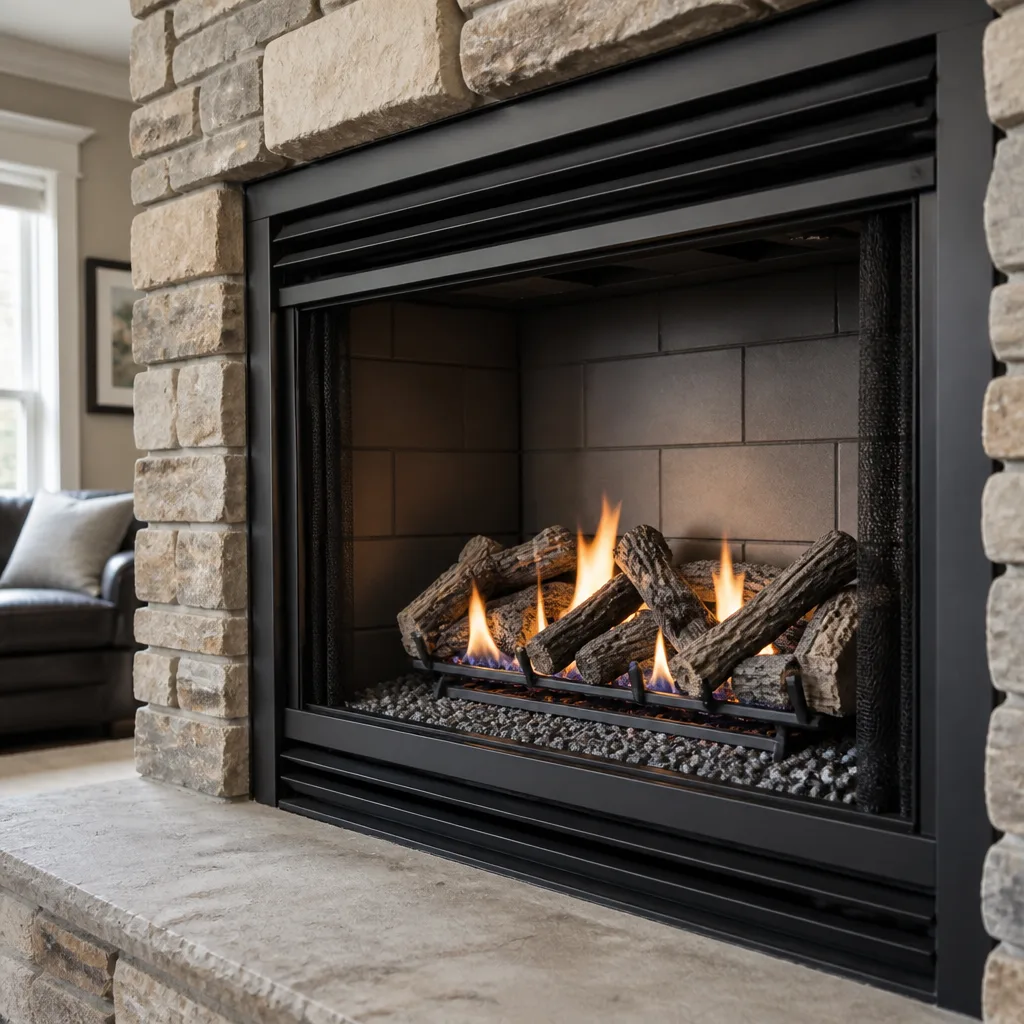 Gas fireplace service
Level 1 sweep and inspection to the NFPA 211 annual standard - flue, crown, cap, and flashing checked and photographed
Chimney sweep logs do not sweep chimneys. They loosen some creosote - which then falls where a brush and vacuum still have to collect it.
Chimney Cleaning Permits, Codes & Inspections in TX: What You Need to Know
A chimney relining job completed without a City of Dallas permit can appear as an open code violation when you sell your home, and the seller, not the contractor, is the one who has to resolve it. Most Dallas homeowners assume chimney work falls into one bucket: “the chimney guy handles it.” The reality splits into two very different legal lanes. Routine cleaning and inspection rarely require paperwork. Repairs that touch the firebox, flue liner, or chimney structure almost always do. Miss that line and a $400 sweep can turn into a $6,000 title problem at closing.
Styles & brands we work with
Quick Answer
The Complete Guide to Chimney Cleaning in Dallas confirms that basic inspections in Texas typically require no permit, because they’re classified as maintenance rather than construction. However, chimney repairs uncovered during a cleaning, like relining, firebox rebuilds, gas log conversions, or structural masonry work, almost always require a permit from your local building department. In Dallas, that means the Dallas Development Services Department, and the required permit categories depend on whether the repair is structural or mechanical.
Table of Contents
- Chimney Cleaning vs. Chimney Repair: Where Texas Draws the Line
- Dallas Permit Categories for Chimney Work, Explained
- How Texas Residential Code Chapter 10 Governs Factory-Built vs. Masonry Chimneys
- Level 2 NFPA 211 Inspections and Dallas Home Sale Disclosures
- How to Check Chimney Permit History Before Buying a Dallas Home
- The Liability Difference: Permitted vs. Unpermitted Chimney Work
- What Permits and Code-Compliant Repairs Actually Cost in Dallas
- Common Mistakes to Avoid
- When to Call a Professional
- Frequently Asked Questions
- The Bottom Line
Chimney Cleaning vs. Chimney Repair: Where Texas Draws the Line
A chimney sweep in Dallas removes soot, creosote, and debris from the flue using brushes, rods, and a vacuum. No structural change occurs. No permit is required anywhere in Texas, because the state’s building regulations classify this as routine maintenance, the same way changing a furnace filter doesn’t trigger a building department review.
Repairs are different. The moment a contractor removes a flue liner, cuts into a firebox, replaces a damper housing, or tears out and rebuilds masonry, the work crosses from maintenance into construction. Texas law treats construction as any activity that alters the structure, mechanical system, or fire safety assembly of a building. That triggers permit requirements under the locally adopted building code, which in Dallas is the International Residential Code with local amendments.
Here’s the line in plain terms:
- No permit required: chimney sweeping, Level 1 visual inspection, creosote log application, minor damper lubrication, cap tightening.
- Permit required: flue relining, firebox rebuild, chase cover replacement that involves removing flashing, gas log installation or conversion, masonry crown repair that requires demolition, any work that changes the chimney’s height or footprint.
The gray zone sits around repairs completed from inside the flue without demolition, like HeatShield resurfacing or a DuraFlex liner retrofit pulled through the existing flue. Dallas building officials have historically treated pull-through liners as a repair requiring a mechanical or residential alteration permit, not an exemption. We’ve had inspectors confirm this on jobs in Lakewood and Preston Hollow. The safest approach: if the cleaning uncovers damage that requires anything beyond brushing and debris removal, consult our Chimney Cleaning Warning Signs: A Dallas Homeowner’s Reference Guide and ask the contractor in writing whether the repair will be permitted.
Dallas Permit Categories for Chimney Work, Explained
Dallas processes chimney-related permits through the Dallas Development Services Department. The department doesn’t have a single “chimney permit” category. Instead, chimney work falls into whatever category matches the scope of the repair. That mismatch is why homeowners get confused: the permit the contractor pulls says “Mechanical Alteration” or “Residential Repair,” not “Chimney,” and nobody connects the dots until a code inspector asks about the open permit history.
The specific categories that apply to chimney work in Dallas:
- Residential Alteration / Repair (TDLR or DSD): Used for firebox rebuilds, smoke chamber parging, masonry repair involving structural changes. Requires a plan review in some cases, especially if the work changes the chimney’s exterior profile.
- Mechanical Permit: Applied to gas log installation, gas log conversion from wood-burning, and any gas line work connected to the fireplace. This permit triggers a final inspection by a Dallas mechanical inspector, who will check clearances, venting, and shut-off valve placement.
- Electrical Permit: Sometimes required for insert installations that include a blower or wiring for a thermostatic control. A Chimney Inspection in Dallas that uncovers an old insert with frayed wiring might lead to this permit type.
- Demolition Permit: Rarely for full chimney teardowns, but if more than 50% of the chimney structure is being removed and rebuilt, Dallas may require a partial demolition review.
Permit fees in Dallas normally run $89 to $340 depending on valuation tier, and the contractor or homeowner files through the DSD online portal. The contractor’s name appears on the permit record. That matters because the permit holder is the party responsible for scheduling inspections and resolving correction notices. If a contractor refuses to pull a permit on work that clearly requires one, the homeowner who pays for the work effectively becomes the responsible party by default, even if their name was never on the permit application.
How Texas Residential Code Chapter 10 Governs Factory-Built vs. Masonry Chimneys
Texas Residential Code Chapter 10, “Chimneys and Fireplaces,” draws a hard technical line between masonry chimneys built on site and factory-built chimneys manufactured in a plant and listed to UL 103 or UL 127 standards. The maintenance obligations and permit triggers are different for each.
A masonry chimney in an older Dallas neighborhood like Lake Highlands or Kessler Park is a site-built structure: brick or stone exterior, clay tile flue liner, mortar joints throughout. Chapter 10 requires that damaged masonry, cracked flue liners, or deteriorated mortar be repaired to restore the system’s original structural performance. That often means a licensed mason or chimney contractor performing a rebuild, which is where permits come in. The code also dictates specific clearances from combustibles, smoke chamber dimensions, and flue sizing ratios.
Factory-built chimneys, common in North Dallas suburban homes built after 1985, follow a different standard. Chapter 10 requires that replacement parts, like chimney sections, caps, or termination devices, be from the same manufacturer or a code-listed substitute. Installing a mismatched cap on a factory-built system voids the listing and becomes a code violation on resale. We’ve seen this exact issue flag on buyer’s inspections in Frisco, where a contractor threw a universal cap on a Superior brand chimney and the whole system got red-tagged.
What Chapter 10 means for permits, in practical terms:
- Masonry chimney repairs that involve liner replacement, firebox work, or structural masonry almost always require a residential repair permit.
- Factory-built chimney maintenance like replacing a listed cap or installing a listed chase cover may not require a permit, but the parts must carry the correct UL listing.
- Any modification that changes a factory-built system’s listing (mixing brands, shortening chimney sections, altering the termination) requires a permit and a code review.
The quickest way to know which category you have: look at the flue pipe. Clay tile visible at the top means masonry. A galvanized steel or stainless termination cap with a round pipe suggests factory-built. Or book a Level 1 inspection and get the classification in writing.
Level 2 NFPA 211 Inspections and Dallas Home Sale Disclosures
A Level 2 inspection under NFPA 211 is the industry standard for chimney evaluation during a Dallas home sale. It includes everything a Level 1 visual check covers plus video scanning of the flue interior, evaluation of attic and crawl space clearances, and verification that the system meets current code for its intended use. Level 2 is triggered by three events: a property transfer, a change in fuel type, or any chimney-related fire or weather event.
During a Dallas home sale, the seller’s disclosure notice asks specific questions about fireplace and chimney condition. Texas Property Code Section 5.008 requires sellers to disclose known defects, including chimney damage, prior fires, or unpermitted repairs. Here’s what many sellers miss: if a previous chimney repair was completed without a permit, and the seller was aware, failure to disclose is a statutory violation. The buyer’s agent, using a Level 2 inspection, will often pull the permit history through the Dallas Development Services Department as part of due diligence. Unpermitted work shows up. Deal renegotiation follows.
What a Level 2 inspection actually triggers, in sequence:
- The inspector scans the flue and identifies the exact defect: cracked liner, spalling brick, missing mortar, clearance violations.
- The inspection report assigns a classification: “Safe to use,” “Safe with repair,” or “Unsafe; do not use until corrected.”
- For anything in the “repair” or “unsafe” categories, the buyer typically requests a repair credit or a completed, permitted repair before closing.
- If the repair is completed, the contractor’s permit application and final inspection sign-off from Dallas DSD become part of the closing package.
- If no permit was required because the repair was maintenance-only, the inspection company provides a written letter stating the system is code-compliant after the maintenance was performed.
We’ve had sellers in East Dallas call us in a panic after a buyer’s Level 2 inspection found a 20-year-old unpermitted firebox rebuild. The seller paid twice: once for the original off-the-books repair, and again for a permitted correction that satisfied the buyer’s lender. That’s the hidden cost of unpermitted work, and it almost always lands at the seller’s feet.
How to Check Chimney Permit History Before Buying a Dallas Home
Before you buy a home in Dallas with a wood-burning fireplace or gas log setup, request the permit history for the address. The Dallas Development Services Department maintains searchable public records online, and you don’t need to be the owner to pull them. This is the single most overlooked step in Dallas chimney due diligence, and it takes under 15 minutes.
Here’s the step-by-step process:
- Go to the Dallas Development Services Department permit search portal (dallascityhall.com, under Building Inspections). Select “Search Permits” and enter the street address, leaving off directionals like N or S.
- Pull every permit associated with the address, not just the obvious ones. Look for “Mechanical Alteration,” “Residential Repair,” “Fireplace,” “Gas Line,” or “Chimney” in the description field.
- Compare permit dates against the home’s improvement history. If the seller’s disclosure mentions a “chimney rebuilt in 2016” but no corresponding permit appears, ask for documentation or flag it for your inspector.
- Check for open permits. An open permit is one that was issued but never received a final inspection sign-off. Open permits that predate your purchase become your responsibility to close, even if you did no work.
- If the search returns nothing and the home has a masonry chimney built before 1990, that’s expected. Many original construction records predate the current DSD digital system. But any recent repair work should have a trail.
One other check worth doing: use the same portal to pull any open code enforcement cases on the address. A neighbor complaint about chimney smoke or spark emission can remain open for years and pop up during a title search. Most buyers never think to check, and title companies vary in how aggressively they surface these records.
The Liability Difference: Permitted vs. Unpermitted Chimney Work
Here’s the question every homeowner should ask before approving a chimney repair: “If this work fails and causes a fire, who does my insurance company come after?” The answer changes dramatically based on whether the work was permitted.
When a contractor pulls a permit for chimney repair, the Dallas DSD inspection record documents that the work was completed to minimum code standards at the time it was done. If a fire later occurs and the cause is traced to a defect in that repair, the inspection record establishes that the work met the applicable standard when it was completed. The insurance claim proceeds as a normal fire loss, subject to the policy’s conditions.
When the same repair is done without a permit, the legal position shifts. The homeowner’s insurance policy contains language excluding coverage for losses caused by faulty workmanship, unpermitted construction, or known code violations that the homeowner failed to correct. A fire investigator who determines that unpermitted chimney work caused the fire has effectively given the insurance company a denial pathway. Worse, the homeowner’s recourse against the contractor becomes a civil claim, not an insurance claim, and the contractor often has no meaningful assets to collect against.
The practical difference in Dallas:
- Permitted work: documented code compliance, inspection trail, stronger insurance position, clean resale title.
- Unpermitted work: no code record, weaker insurance position if fire occurs, potential title defect on resale, contractor may be gone by the time problems surface.
We’ve seen the outcome of unpermitted chimney work in Dallas more times than we’d like. The common thread: the homeowner didn’t know the work required a permit, the contractor chose not to mention it, and the discovery happened years later at the worst possible moment. The fix is simple: ask the question before the work starts, and get the answer in writing.
What Permits and Code-Compliant Repairs Actually Cost in Dallas
Dallas homeowners want real numbers. Here’s what we’re seeing in the current Dallas market for chimney work, including permit costs and typical repair ranges.
- Standard chimney sweep: $189 – $329 for a single flue in Dallas, depending on access, roof pitch, and creosote level. No permit required.
- Level 1 inspection: $149 – $249 when bundled with a sweep, $199 – $299 standalone. No permit required.
- Level 2 inspection (video scan): $299 – $449 in Dallas, including a written report with photo documentation. No permit required.
- Mechanical permit for gas log installation: $89 – $180 filing cost to Dallas DSD, plus a $65 – $150 inspection fee, depending on project valuation.
- Residential alteration permit for firebox rebuild: $110 – $340 depending on the declared valuation of the work. The contractor files it, and the cost is typically passed through at cost.
- HeatShield resurfacing (ceramic liner repair): $900 – $2,100 depending on flue size and access. Permit required in Dallas, typically filed as residential alteration.
- DuraFlex stainless steel relining: $1,800 – $4,600 for a typical single-story Dallas home, including the liner, insulation where needed, and permit fees. Two-story homes run higher due to scaffold and access work.
- Full firebox rebuild: $2,400 – $6,500 for a standard masonry firebox, including permit, materials, and labor. The spread depends on whether the hearth and facing survive or need replacement too.
These numbers are ballpark figures for Dallas, not bids. Roof pitch, chimney height, accessibility, and liner condition all move the final number. Our estimate process is designed around one principle: you get a written price before any work starts, and the number on the invoice matches the number you approved. No change orders unless the scope genuinely changes and you approve the revision in writing first.
Common Mistakes to Avoid
- Assuming all chimney work is “maintenance” and skipping permits. A sweep and a video inspection are maintenance. A liner replacement is construction. Getting this wrong creates a title defect that surfaces when you sell.
- Letting the contractor decide permit requirements without checking. Ask the contractor to identify the specific Dallas DSD permit category for the repair, and verify it against the department’s published guidelines. Contractors who brush off the question are telling you something.
- Buying a Dallas home without pulling the permit history. The DSD portal is free to search. Fifteen minutes of due diligence before closing beats a $5,000 surprise after you’ve moved in.
- Mixing parts on factory-built chimneys. Chapter 10 of the Texas Residential Code is clear: replacement parts must be from the same manufacturer or a listed substitute. A universal cap on a Superior or Majestic chimney is a code violation waiting to be flagged.
- Skipping the Level 2 inspection on a home sale. In Dallas, buyers are increasingly requesting video scans as part of the inspection contingency. Sellers who refuse create distrust and often end up with a lower offer or a delayed close.
- Paying for a “cheap” reline without checking what’s actually being installed. Some Dallas-area contractors install thin aluminum liners marketed as stainless steel. A proper reline with a brand like DuraFlex or HeatShield carries a listed system warranty, and the permit inspection will verify the material.
- Closing on a house with an open permit. An open permit from 2019 that never received final inspection becomes the new owner’s problem. Before closing, verify that all permits tied to chimney work have a final sign-off status in the DSD portal.
When to Call a Professional
If you find cracked flue tiles during a cleaning, see daylight through the mortar joints in your firebox, smell smoke in the house after a fire has burned down, or discover that a previous owner’s repair has no permit trail in the Dallas DSD system, follow our Chimney Sweep Maintenance Checklist for Dallas Homeowners and call a chimney company that puts its findings in writing. The same goes for any gas log installation or conversion, which requires a mechanical permit and a final inspection in Dallas.
Flint Chimney Co Dallas offers free estimates in Dallas. Call (361) 492-4099 and a live person answers, not a voicemail tree. We’re part of the Garrison Partners family, and every chimney repair in Dallas we complete carries our 365-Day Done Right Promise: a written guarantee valid for one full year. If a covered repair fails, we come back at no charge, no argument.
Frequently Asked Questions
No. Chimney cleaning is classified as routine maintenance under Texas building regulations, and no city in Texas, including Dallas, requires a permit for a standard sweep and inspection. The permit requirement kicks in only when the cleaning uncovers damage that requires structural or mechanical repair.
Ask the contractor to identify the specific Dallas DSD permit category for the proposed work before any work begins. As a rule, flue relining, firebox rebuilds, gas log installation, masonry demolition, and any structural alteration require a residential alteration or mechanical permit. If the contractor can’t or won’t name the permit category, get a second opinion.
The buyer’s inspector or title company may discover the unpermitted work through the Dallas DSD permit portal, and the seller becomes responsible for resolving the open code violation before closing. In the worst case, the transaction is delayed for weeks while a permitted correction is completed, or the deal collapses entirely. Sellers often pay more than the original repair cost by the time the dust settles.
Yes. A Level 2 inspection typically runs $299 – $449 in Dallas, compared to $149 – $299 for a Level 1, because it includes video scanning of the flue interior and a detailed written report. The Level 2 is the standard requested during home sales, property transfers, and any event involving a chimney fire or weather damage.
Masonry chimneys are site-built from brick or stone and regulated by Texas Residential Code Chapter 10 for structural repair. Factory-built chimneys are manufactured systems listed to UL 103 or UL 127, and Chapter 10 requires replacement parts from the same manufacturer or a listed substitute. Mixing parts on a factory-built system voids the listing and creates a code violation on resale.
Mechanical permits for gas log work run $89 – $180 in filing costs, while residential alteration permits for firebox or liner work run $110 – $340 depending on project valuation. The contractor typically passes the permit cost through at cost and includes it as a line item on the written estimate. Call (361) 492-4099 for an exact quote on any chimney repair in Dallas, including permit fees.
The Bottom Line
Chimney cleaning in Texas requires no permit, but the repairs uncovered during a cleaning often do, and the distinction becomes expensive when ignored. Dallas homeowners who understand the line between maintenance and construction, who verify permit history before buying, and who insist that repair contractors pull the correct DSD permit are the ones who avoid title defects, insurance headaches, and surprise code violations. The process takes effort on the front end and saves thousands on the back. If you’re not sure where your chimney falls, explore more guides & resources, get it inspected, and ask for the findings in writing.
Written by Hank Delano, Owner at Flint Chimney Co Dallas, serving Dallas since 2002.
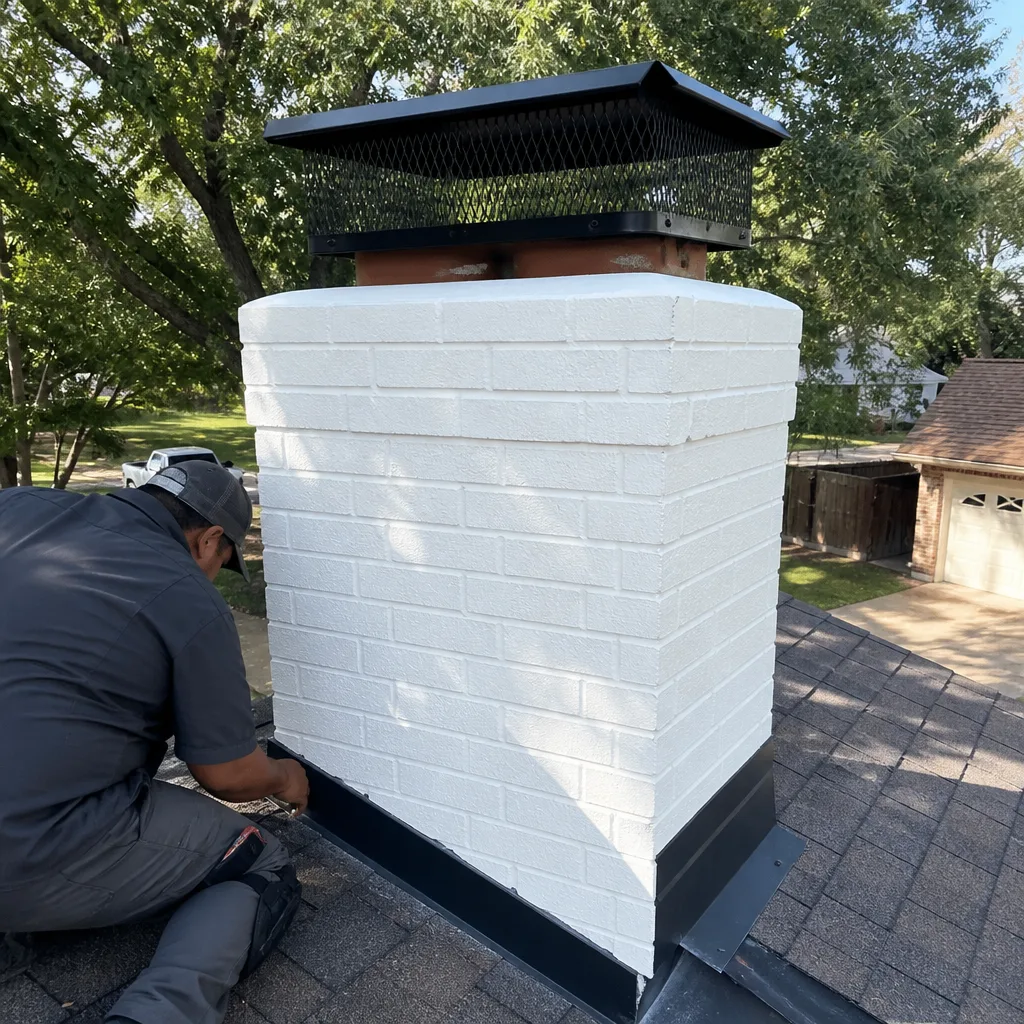
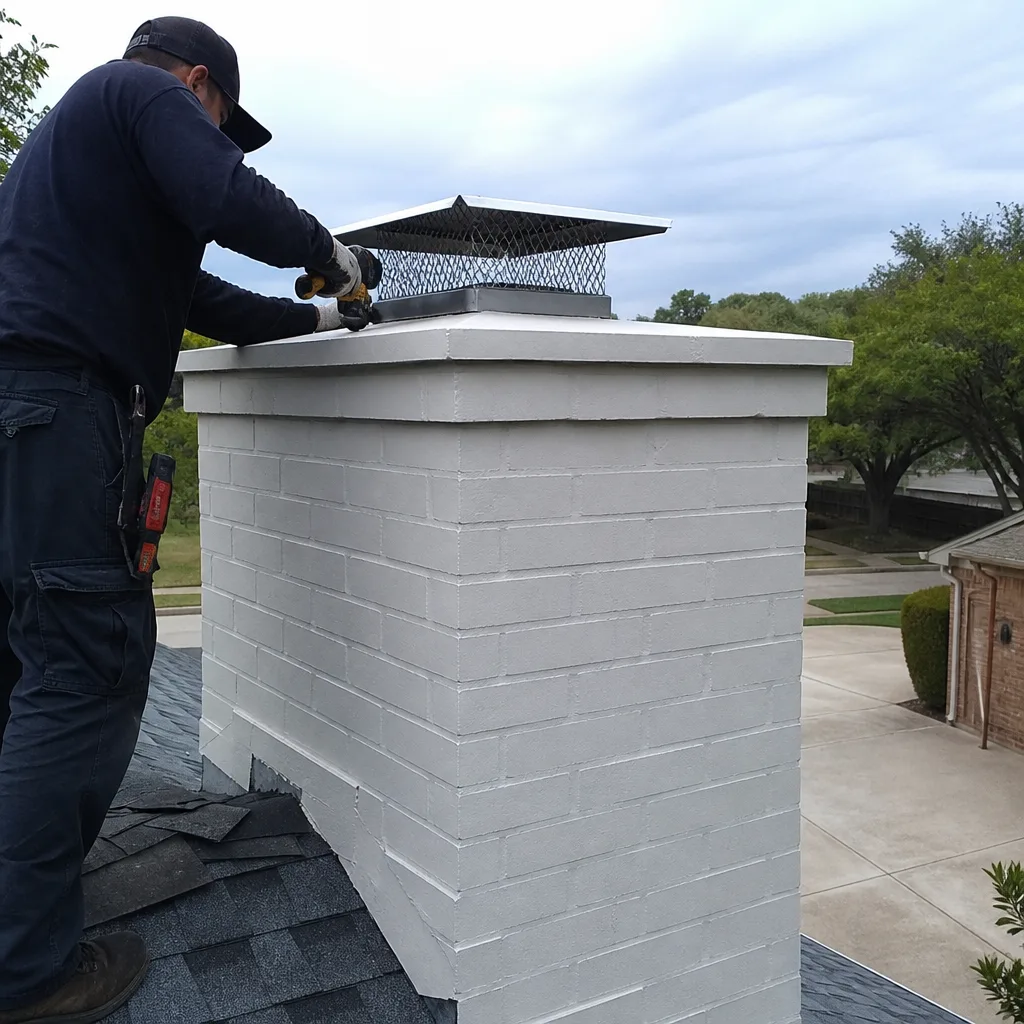
See the difference
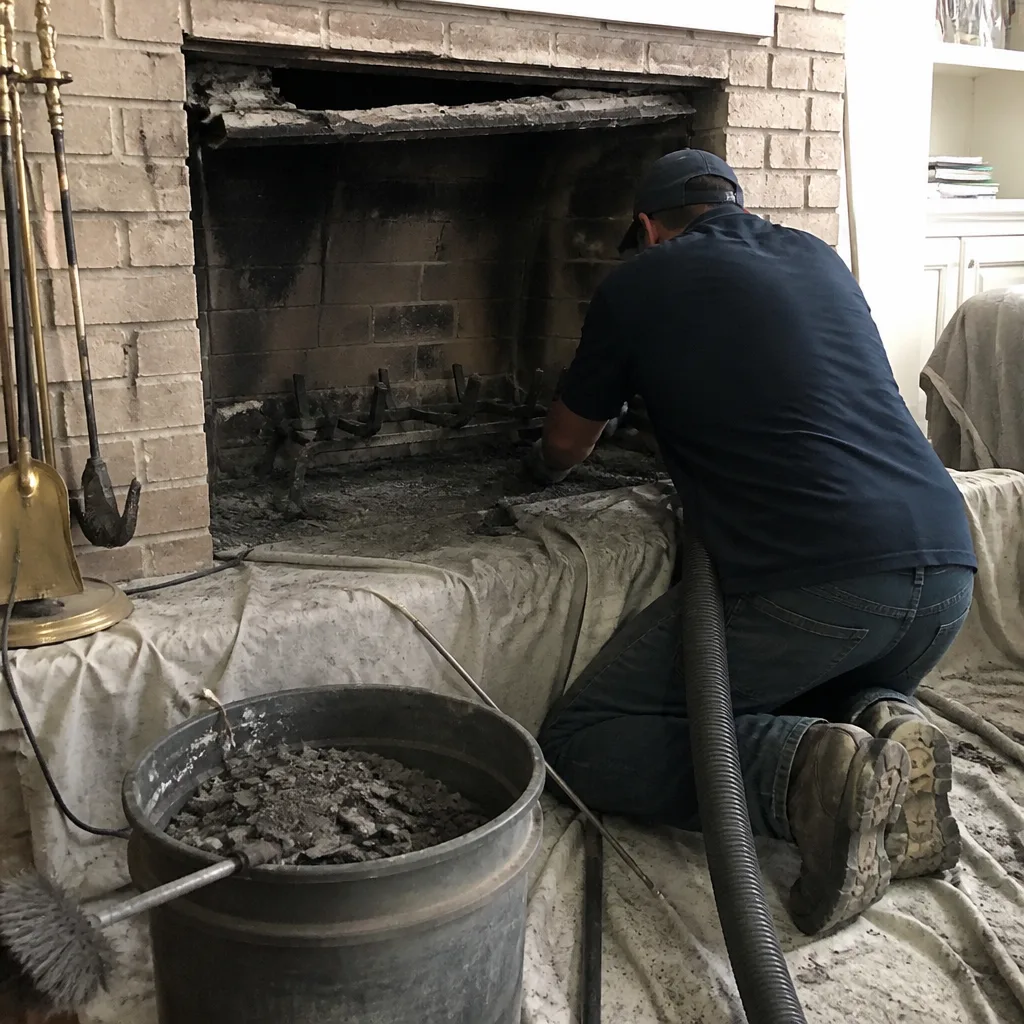 Before
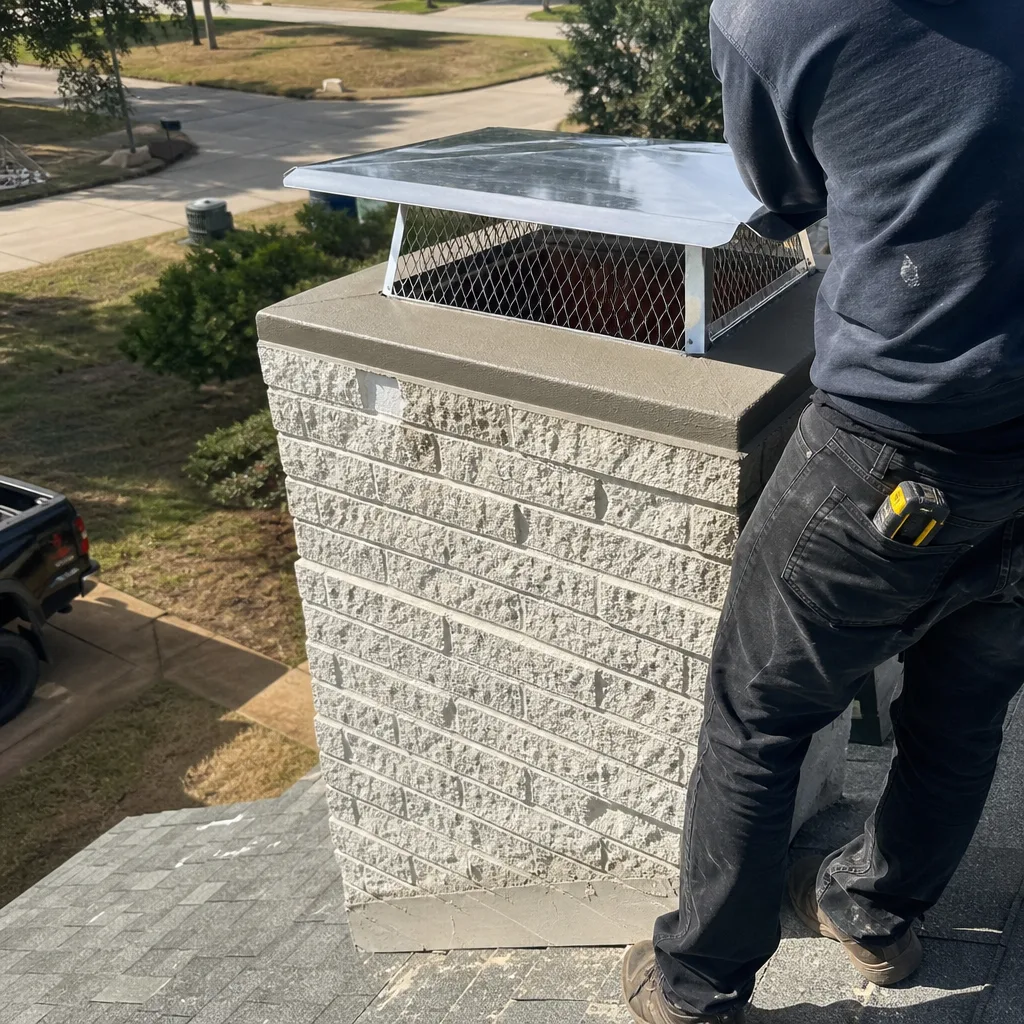 After
After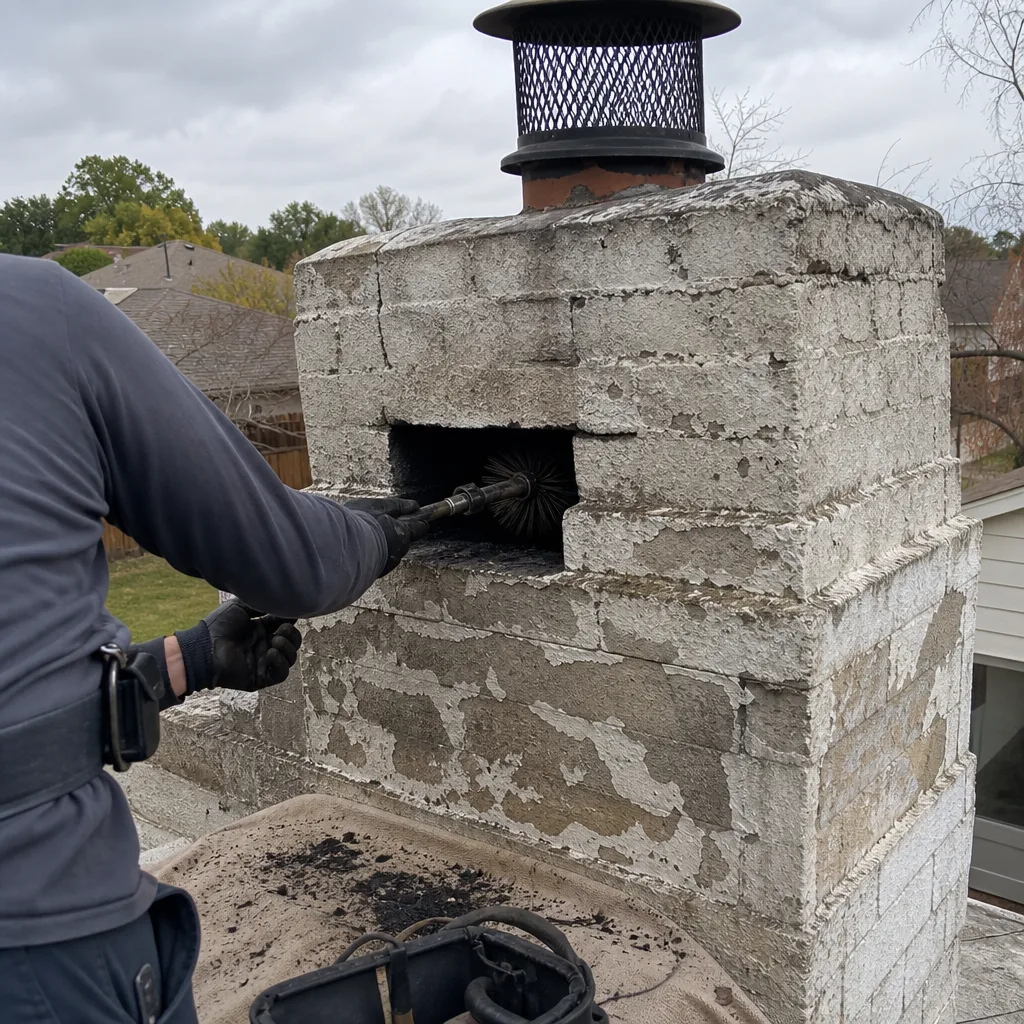 Before
 After
After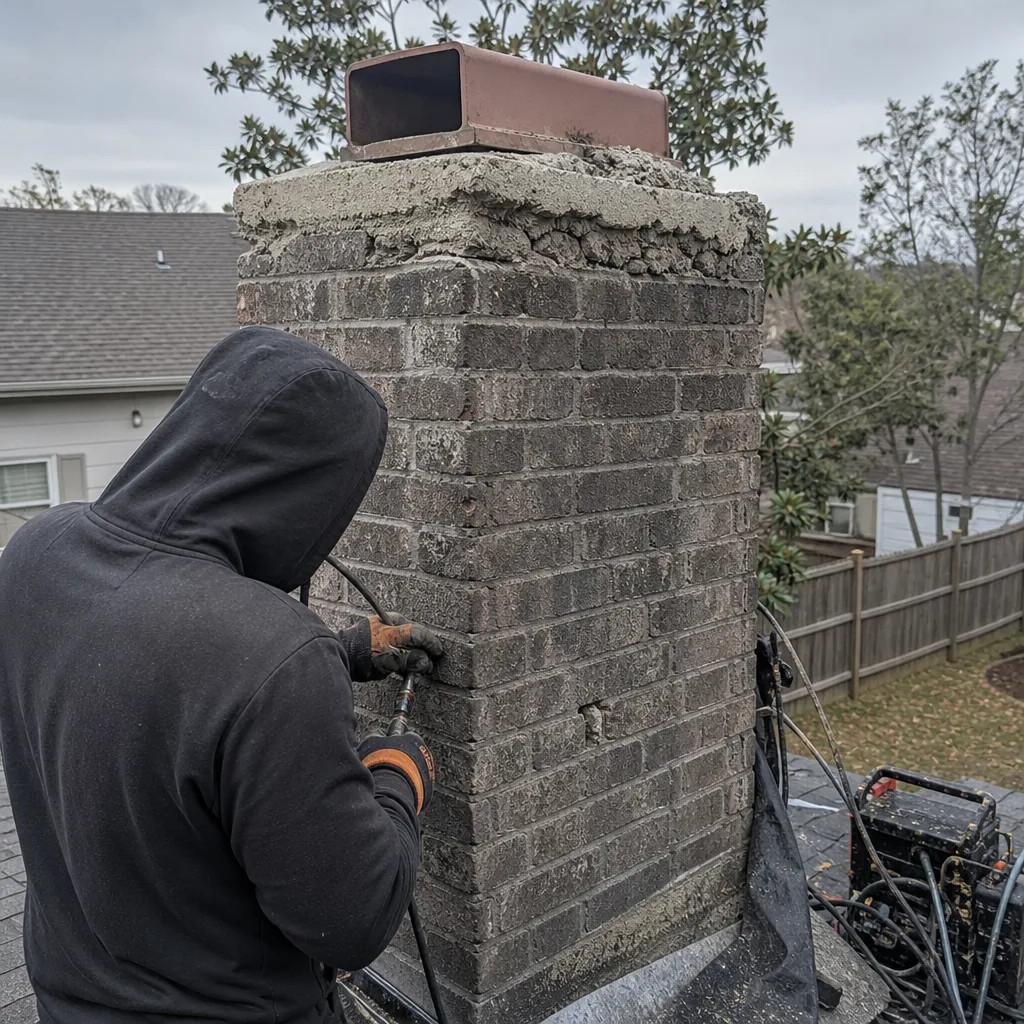 Before
 After
After