
Last updated October 15, 2026
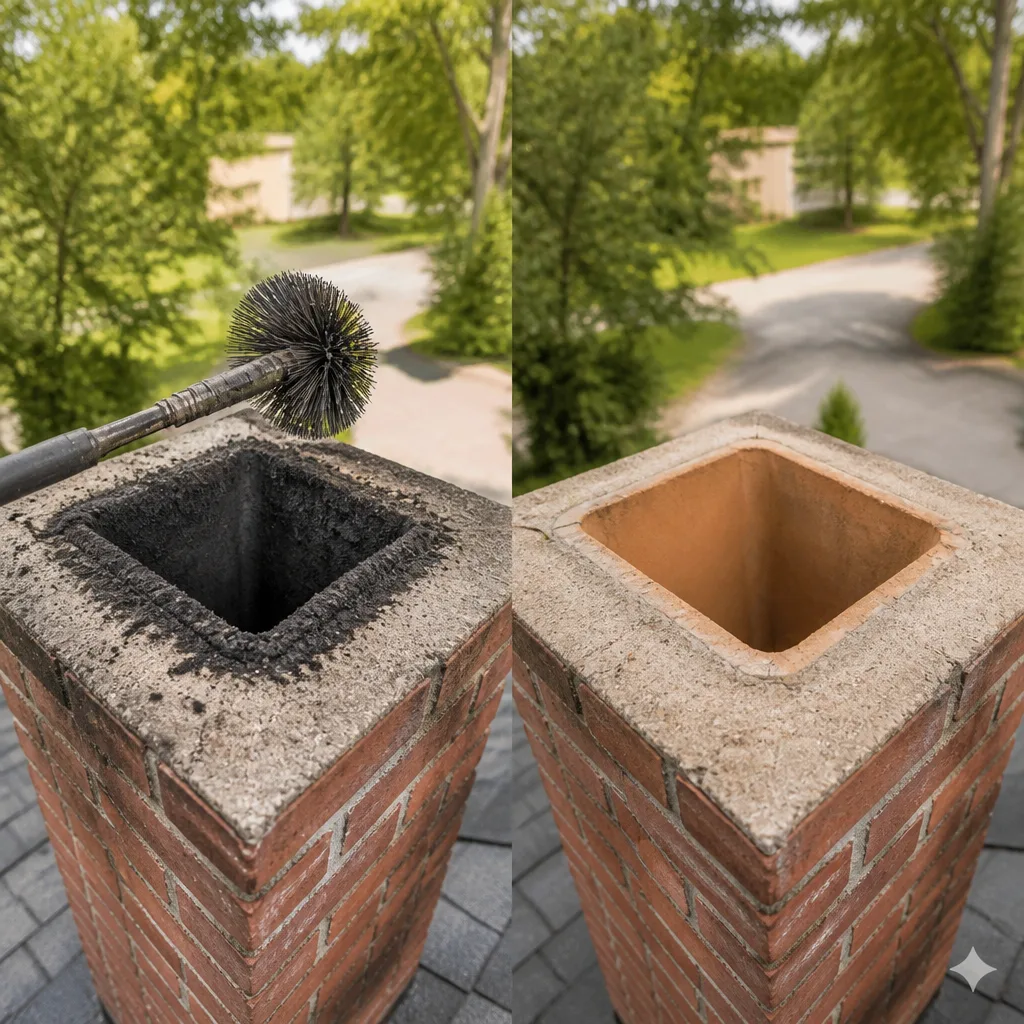 Sweep & inspection
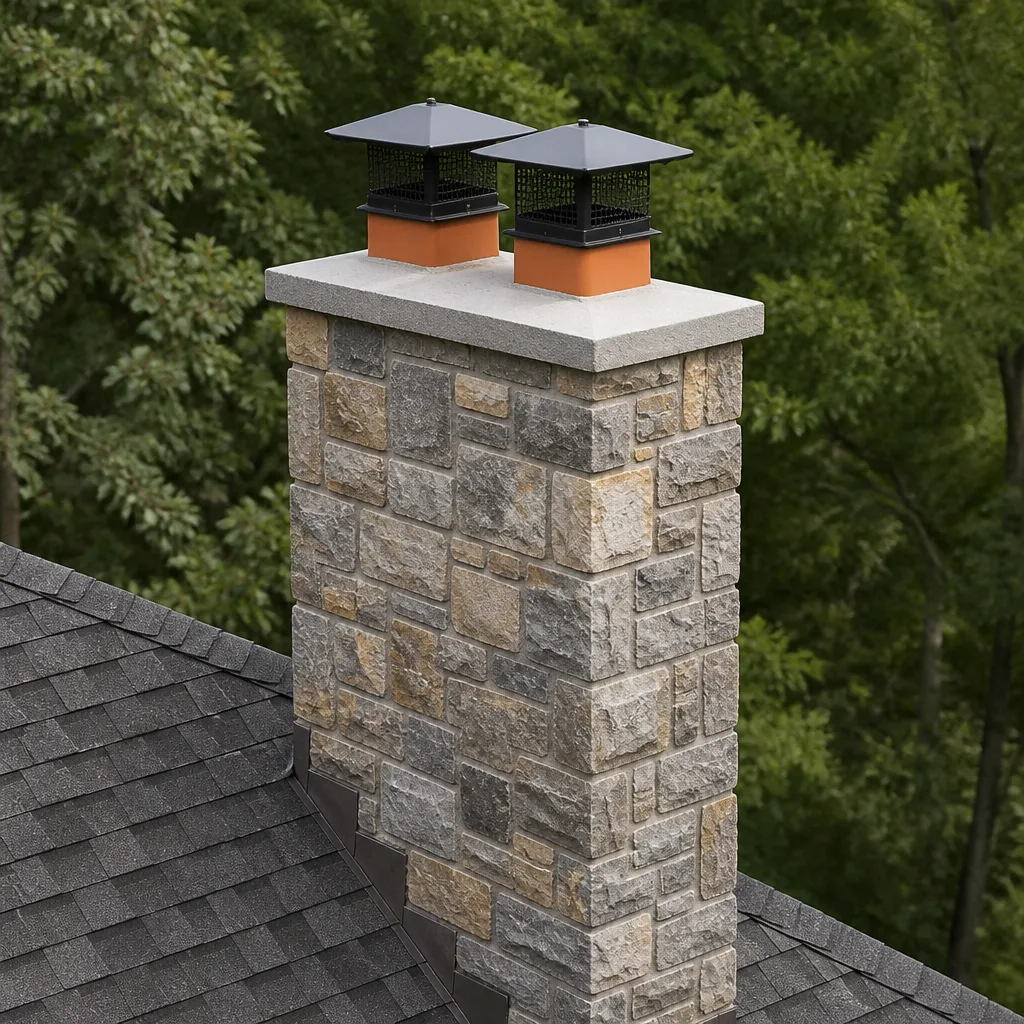 Caps & crowns
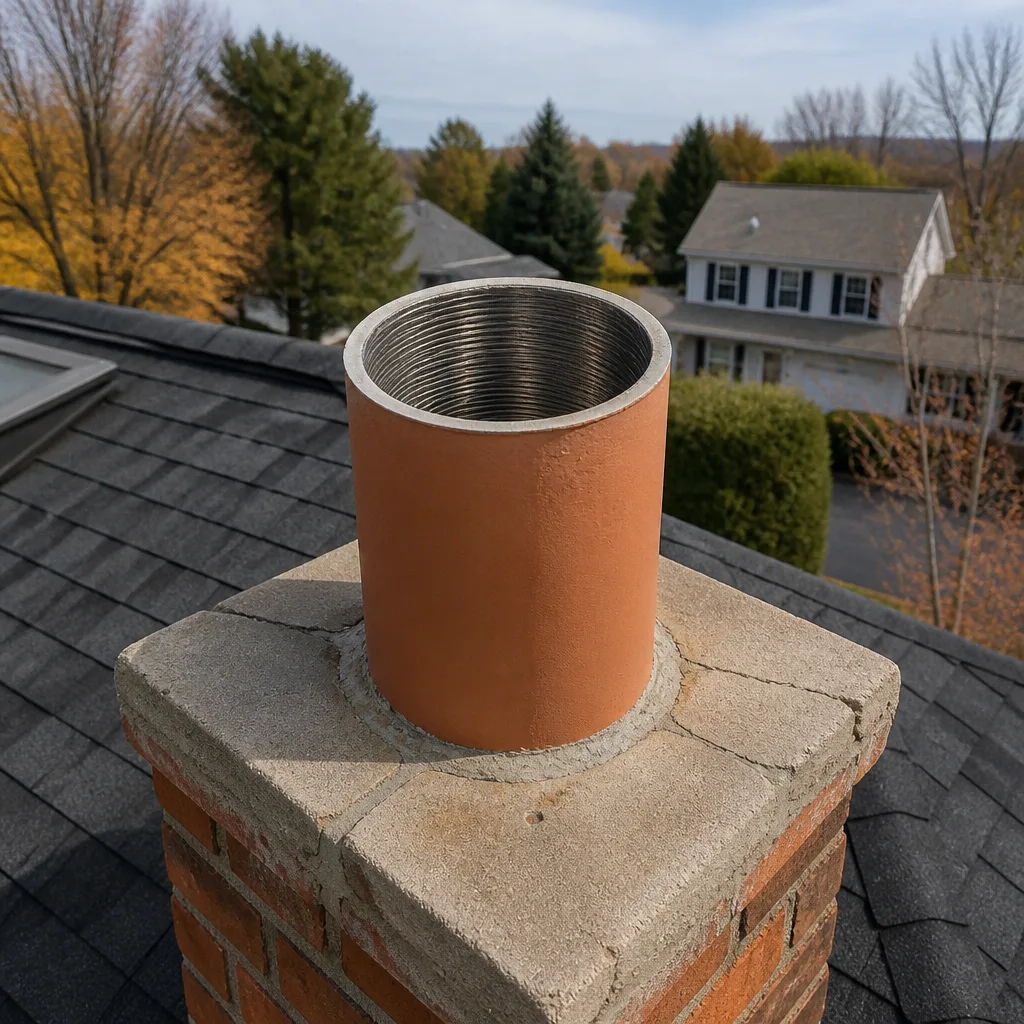 Flue relining
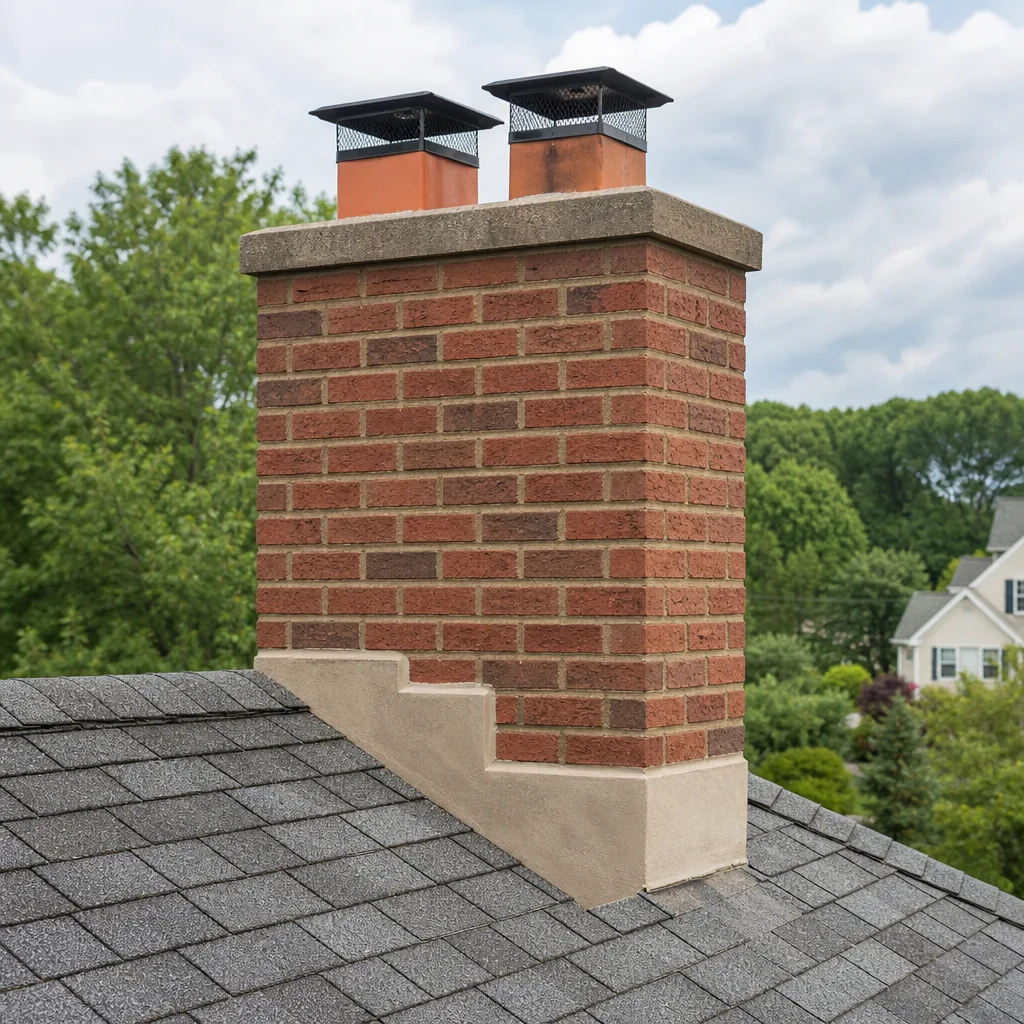 Masonry repair
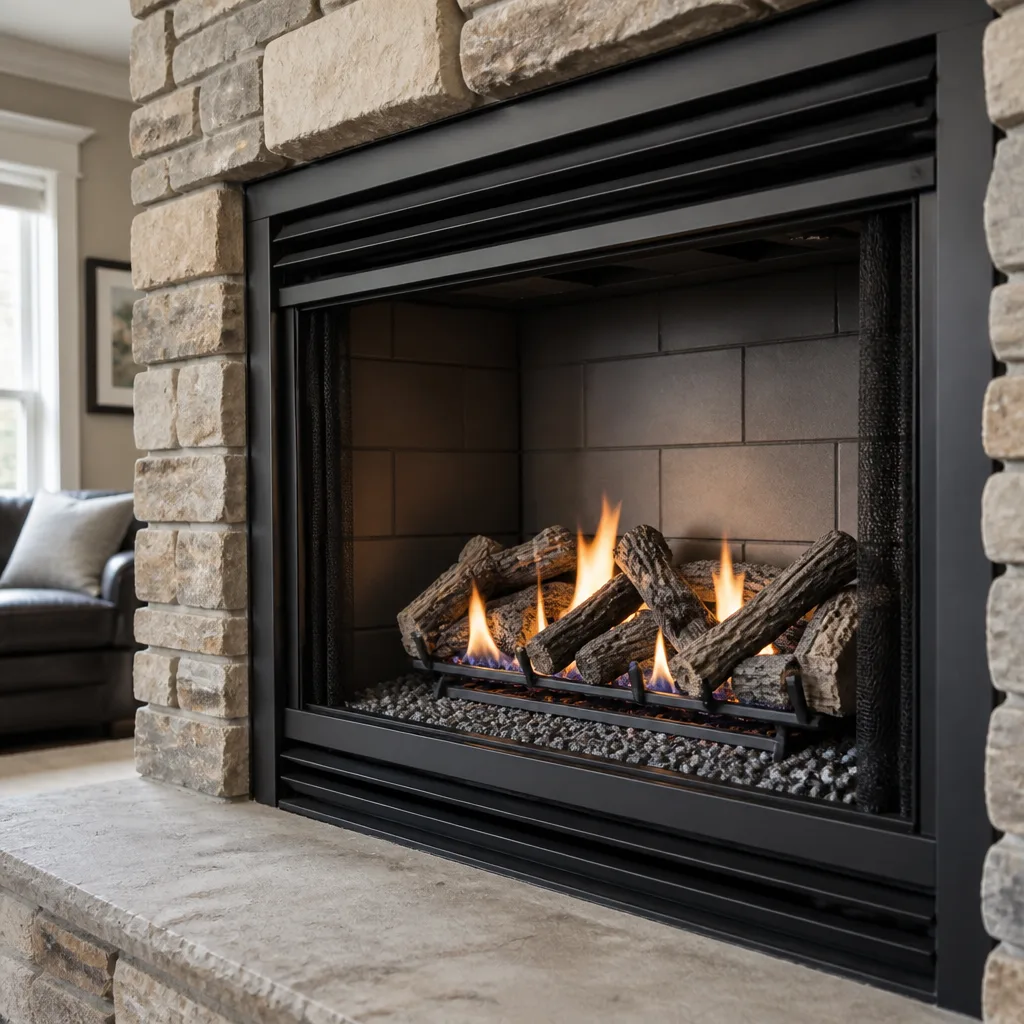 Gas fireplace service
Level 1 sweep and inspection to the NFPA 211 annual standard - flue, crown, cap, and flashing checked and photographed
Chimney sweep logs do not sweep chimneys. They loosen some creosote - which then falls where a brush and vacuum still have to collect it.
DIY vs Professional Chimney Cleaning: The Dallas Homeowner’s Decision Guide
Most Dallas homeowners don’t realize their insurance policy quietly assumes they’ll maintain the chimney. Texas insurers have tightened language since 2020, and “reasonable maintenance” now shows up in more claim denials than you’d think. This guide breaks down exactly which chimney tasks a homeowner can handle safely, which ones require a professional for insurance and liability reasons, and what each path actually costs. For more guides & resources, visit our blog. We’ll give you the straight numbers, the equipment realities, and the documentation gap most DIY advice never mentions.
Quick Answer
A Dallas homeowner can safely handle firebox visual checks, ash removal, and ground-level cap inspections. But the core cleaning task (removing creosote from the flue lining) should be done by a professional, not because it’s impossibly difficult, but because a professional sweep produces a dated, written report that creates a maintenance record for insurance claims, home resale, and liability protection. In Dallas, a professional chimney sweep typically costs $200 to $350, while buying proper DIY equipment runs $800 to $1,200 and still leaves you without documentation.
Styles & brands we work with
Table of Contents
- What You Can Safely Do Yourself
- Why DIY Flue Brushing Creates a Documentation Gap
- The Equipment Cost Reality of Doing It Right
- How Texas Homeowner’s Insurance Language Has Tightened
- What a Professional Written Report Provides
- Dallas Climate Factors That Affect Chimney Wear
- Step-by-Step: The DIY Safe Zone
- Common Mistakes to Avoid
- When to Call a Professional
- Frequently Asked Questions
What You Can Safely Do Yourself
Let’s be clear about scope. There’s a well-defined set of chimney tasks a homeowner in Dallas can handle without creating liability exposure or voiding insurance coverage. These are visual, ground-level, and non-invasive. They matter, and most homeowners skip them, but they’re fundamentally different from what a professional sweep does.
Here’s what falls into the DIY safe zone:
- Firebox visual checks: Open the damper, shine a flashlight up into the firebox, and look for obvious problems. Cracked firebrick, chunks of mortar missing, or a damper that won’t open or close fully are all things you can spot without any special training. This is a 10-minute task you should do before the first fire of the season.
- Ash removal: Wait at least 72 hours after your last fire, then shovel out the ash with a metal scoop and place it in a metal container. Never vacuum ash with a standard household vacuum. Embers can smolder for days, and a regular shop vac will blow fine ash through its filter and into your living room air. If you’re going to vacuum, use a dedicated ash vacuum with a HEPA filter.
- Cap inspection from the ground: Walk outside and look up. You can see if the cap is still there, if it’s tilted, or if there’s visible rust or animal nesting material. You cannot see the condition of the mesh screen or the flue interior from the ground, and that’s fine. This is a triage check, not a diagnostic.
- Keeping the hearth area clear: Flammable materials within 36 inches of the fireplace opening are a fire hazard. This one costs nothing and prevents a real problem. Furniture, firewood stacked too close, and seasonal decorations all fall into this category.
Every one of these tasks is a legitimate part of being a responsible homeowner in Dallas. But notice what’s missing from this list: anything that involves going onto the roof, anything that involves reaching into the flue, and anything that involves cleaning the flue lining itself. Those tasks carry a different level of risk and a different set of consequences if something goes wrong.
The Liability Line
Here’s the distinction that matters. If you check your own firebox and miss a crack in the firebrick, that’s a homeowner making a reasonable observation. If you climb onto your roof, attempt to brush your own flue, and later have a chimney fire, the question an insurance adjuster will ask is different. They’ll want to know who last maintained the chimney and what record exists of that maintenance. A homeowner’s self-maintenance, even if done conscientiously, doesn’t create the kind of documentation that satisfies a claim review.
Why DIY Flue Brushing Creates a Documentation Gap
The core problem with DIY flue brushing isn’t that it’s dangerous. It’s that it leaves no record. You can buy the rods, the brush, and the drill attachment, spend a Saturday working the brush up and down the flue, and at the end of it, you’ve cleaned the chimney and created zero evidence of what condition you found it in or what condition you left it in.
Let’s walk through why this matters.
When a professional chimney sweep completes a cleaning, they generate a written report. That report includes the date, the type of service performed, the condition of the flue lining before and after, any creosote buildup measurements, and any observations about cracks, gaps, or damage. It’s signed, dated, and becomes a record you can file away and produce later.
Here’s what that record does for you:
- Insurance claims: If you have a chimney fire, your insurer will investigate. One of the first things they’ll ask is when the chimney was last professionally cleaned and inspected. A dated report from a licensed professional is evidence of reasonable maintenance. Your memory of brushing the flue yourself is not.
- Home resale: In Dallas, home inspectors are increasingly flagging chimneys as part of routine pre-sale inspections. A buyer’s inspector will note creosote buildup and recommend professional cleaning. If you have a written service history, you can show the chimney was maintained. If you don’t, you’ll likely eat the cost of a cleaning and inspection as a seller’s concession.
- Liability protection: If you sell the house and the next owner has a chimney fire, the question of whether the chimney was properly maintained can become a legal matter. A written service history shows you took reasonable steps. An undocumented DIY cleaning shows nothing.
In our experience in Dallas, we see this gap most often during pre-sale inspections. A homeowner has lived in the house for 15 years, used the fireplace regularly, and never had a professional cleaning. The inspector flags the chimney, the buyer demands a cleaning and inspection as a condition of sale, and the seller pays for it under time pressure. A $200 to $350 service done every year or two would have prevented the whole situation.
The Equipment Cost Reality of Doing It Right
There’s a persistent myth that DIY chimney cleaning is dramatically cheaper than hiring a professional. That math only works if you ignore what “doing it right” actually requires. For a full Chimney Cleaning Cost Breakdown: The Dallas Homeowner’s Reference for 2026, see our dedicated guide. Let’s break down the real numbers for a Dallas homeowner who wants to clean their own chimney properly.
- Rotary cleaning system: A proper rotary system, meaning a drill attachment with flexible rods and a spinning brush head, runs $150 to $350 depending on length and quality. The cheap fixed-rod brushes from big-box stores don’t rotate and won’t effectively clean the flue walls in most chimneys.
- HEPA vacuum: You cannot use a standard shop vac for chimney work. The fine particulate from creosote and soot will pass through standard filters and coat your living room. A proper HEPA vacuum with a fine-dust filter runs $300 to $600. This is the piece of equipment most DIY chimney cleaning advice conveniently forgets to mention.
- Flue camera: A basic inspection camera that can run up a chimney flue costs $200 to $400. Without one, you have no way to verify the condition of the flue lining after you’ve brushed it. You’re cleaning blind.
- Roof safety equipment: If your chimney access requires going onto the roof, you need a safety harness, roof anchors, and a spotter. Even if you already own an extension ladder, the harness and anchor system runs $100 to $200. And that’s assuming your Dallas roof pitch is walkable, which many are not.
Add that up and you’re at $750 to $1,550 for equipment that you’ll use once a year at most. Meanwhile, a professional chimney sweep in Dallas typically runs $200 to $350, and the sweep brings all the equipment, the training to use it, and the written report that we discussed in the previous section.
The equipment cost argument only favors DIY if you plan to clean your chimney for 8 to 10 years and never drop a brush, never damage a flue tile, and never have an insurance question. Most Dallas homeowners we talk to find that math doesn’t hold up once they see the full picture.
How Texas Homeowner’s Insurance Language Has Tightened
If there’s one section of this guide to read carefully, it’s this one. Texas homeowners insurance policies have changed meaningfully since 2020, and most homeowners won’t notice until they file a claim.
The change centers on the phrase “reasonable maintenance.” Older policies were vague about what this meant. A homeowner who used their fireplace occasionally and never had a professional cleaning could plausibly argue they didn’t know better. Insurers have spent the last few years closing that gap.
Here’s what we’re seeing in Dallas specifically:
- Chimney maintenance clauses: Some Texas policies now include explicit language requiring professional chimney inspection and cleaning at “industry-recommended intervals.” The National Fire Protection Association (NFPA) standard, which insurers often reference, calls for annual inspection and cleaning as needed. If your policy includes this language and you haven’t had a professional service, a chimney fire claim can be denied.
- Fire investigator scrutiny: When a chimney fire occurs, the insurance company sends a fire investigator. That investigator’s job includes determining cause and assessing maintenance history. If the investigator finds heavy creosote buildup and no record of professional cleaning, the claim is at risk. This isn’t theoretical. We’ve talked to Dallas homeowners who lost claims exactly this way.
- Documentation requirements: Even policies without explicit chimney language now routinely ask for maintenance records when processing fire claims. The homeowner who self-cleaned has nothing to show. The homeowner who used a professional sweep has a dated report.
What “reasonable maintenance” means in a claim context is the central question here. The safest interpretation, based on what we’re seeing from Dallas insurers, is: professional inspection and cleaning on a schedule that a reasonable homeowner in your situation would follow. If you use your fireplace 20 nights a year, that means annual professional service. If you use it twice a year, every two to three years may suffice. The key word is “professional.” Self-maintenance doesn’t count, not because it’s necessarily worse, but because it’s unverifiable.
Check your policy. The Declarations page won’t have this language. It’s in the body of the policy, usually under “Conditions” or “Negligence” or “Duties After Loss.” If you can’t find it, call your agent and ask directly: “Does my policy include any chimney maintenance requirements, and what documentation would I need if I filed a fire claim?”
What a Professional Written Report Provides
We’ve referenced the written report multiple times in this guide, so let’s talk about what it actually contains and why it matters.
A professional chimney sweep report from a Dallas company should include, at minimum:
- Service date and time: The foundation of the record. This is what establishes the maintenance timeline.
- Technician identification: Name and signature of the person who performed the work. Not a company name, but an individual who can be contacted.
- Pre-service condition: Creosote buildup measurements (typically in inches or millimeters), flue lining condition, damper condition, and any visible damage found before cleaning began.
- Service performed: A specific description of what was done. “Swept flue with rotary brush system, removed approximately X amount of creosote, vacuumed firebox and smoke shelf, inspected cap and flashing.”
- Post-service condition: What the flue looked like after cleaning, any remaining concerns, and any recommended follow-up.
- Recommendations: If the technician spots a problem (cracked flue tile, deteriorating mortar, missing cap), it goes here. This is where you learn about a $2,000 repair before it becomes a $15,000 repair.
This report is the thing no DIY effort can replicate. You can’t write your own report. It has no evidentiary value. A signed report from a professional chimney company does.
For resale purposes, this report is gold. When a buyer’s inspector flags the chimney, you can produce a service history showing professional maintenance. In Dallas’s competitive real estate market, that’s the difference between a deal that closes clean and a deal that spirals into repair negotiations.
For insurance purposes, the report is your evidence of reasonable maintenance. If you file a claim, you’re not asking the adjuster to take your word for it. You’re producing a document.
Flint Chimney Co Dallas includes a written report with every sweep and inspection. The price is set before any work begins, and the report is in your hands when the technician leaves. That’s the standard we hold ourselves to under The Garrison Standard, and it’s the standard you should hold any chimney company to.
Dallas Climate Factors That Affect Chimney Wear
Dallas chimneys face specific environmental stress that homeowners from other regions don’t deal with. Understanding these factors helps explain why professional inspection matters more here than in, say, Seattle or Boston.
The first factor is temperature swing. Dallas regularly swings 30 to 40 degrees in a 24-hour period, especially in fall and spring. That thermal cycling causes the masonry in your chimney to expand and contract constantly. Over years, this creates hairline cracks in mortar joints and allows water intrusion. Hairline cracks are almost impossible to spot from the ground, and they’re the leading cause of chimney deterioration in North Texas.
The second factor is hail and severe weather. Dallas gets real hail, the kind that damages roofs and siding. Your chimney cap and flashing take direct hits during these storms. A cap that’s dented or shifted may not be visibly damaged from the ground, but it can allow water and animals into the flue. After a major Dallas hail event, a professional chimney inspection is a sensible step, even if your roof didn’t show obvious damage.
The third factor is freeze-thaw cycles. Dallas doesn’t get long freezes, but it gets enough. When water seeps into masonry and temperatures drop below freezing, the water expands by about 9%. That expansion widens cracks and accelerates deterioration. A chimney that goes years without professional attention will show this damage in the flue lining, and the homeowner won’t know it until a problem develops.
The fourth factor is your heating habits. Dallas winters are mild enough that many homeowners use their fireplace intermittently rather than as a primary heat source. That intermittent use pattern means fires are often burned at lower temperatures, which produces more creosote per fire than a hot, efficient burn. Creosote is the flammable residue that accumulates in the flue, and it’s the thing professional cleaning removes. A homeowner in Dallas who uses their fireplace 15 to 20 nights per season can accumulate enough creosote between cleanings to create a fire hazard, even if the fireplace doesn’t feel dirty.
These factors don’t mean Dallas homeowners need more cleaning than anyone else. Annual inspection is the standard everywhere. But they do mean the consequences of skipping professional attention in Dallas are specific and predictable. We see the same failure patterns in chimneys across North Dallas, Plano, Richardson, Garland, and Mesquite. Water intrusion from cracked mortar. Creosote buildup from low-temperature intermittent burning. Cap damage from hail. None of them are mysteries when you look at the chimney with the right tools.
Step-by-Step: The DIY Safe Zone
Here’s a concrete, five-step process for handling the homeowner tasks we outlined earlier. Follow these steps twice a year, once before burning season starts and once after it ends, and you’ll have a solid baseline for chimney health between professional cleanings. For year-round guidance, see our Seasonal Chimney Cleaning Care for Dallas: Year-Round Homeowner’s Guide.
- Check the firebox (10 minutes): Open the damper fully. Shine a flashlight up into the firebox and into the flue as far as you can see. Look for cracked firebrick, missing mortar, rust on the damper, and any visible creosote that looks thick or shiny. Shiny creosote is the dangerous kind (it’s denser and burns hotter). Note anything unusual in a simple log you keep on your phone.
- Remove ash safely (15 minutes): Wait at least 72 hours after your last fire. Use a metal scoop and a metal container. Do not use a household vacuum. Transfer ash to a metal container with a tight-fitting lid, and store it outside away from the house until disposal. Never put warm or hot ashes in a plastic bag or trash can.
- Inspect the cap from the ground (5 minutes): Walk to a spot where you can see the top of the chimney clearly. Look for a missing or tilted cap, visible rust, nesting material, or any obvious damage. Binoculars help. If you see anything concerning, note it in your log and include it when you call a professional.
- Clear the hearth zone (5 minutes): Remove any flammable material within 36 inches of the fireplace opening. This includes firewood, furniture, baskets, pillows, and seasonal decorations. This rule applies year-round, not just during burning season.
- Log your observations (5 minutes): Note the date, what you checked, and anything that looked off. This log is not a professional record and won’t substitute for one, but it helps you communicate accurately when you call a chimney company and gives you a baseline for tracking changes over time.
That’s 40 minutes of work, twice a year, with zero equipment beyond a flashlight and a metal scoop. These tasks are safe, they’re meaningful, and they keep you informed about what’s happening with your chimney. What they don’t do is remove creosote from the flue lining, and nobody should pretend otherwise.
Common Mistakes to Avoid
- Believing a standard shop vac can handle chimney dust: The fine particulate from creosote and soot passes through standard filters and coats your walls, furniture, and lungs. A proper HEPA vacuum with a fine-dust filter is the only acceptable option, and it’s a $300 to $600 purchase that most homeowners don’t make.
- Using a fixed-rod brush instead of a rotary system: The inexpensive brushes from hardware stores don’t spin. They slide against the flue walls and leave creosote in place. A rotary system with a drill attachment is the minimum standard for effective cleaning, and it’s a meaningful investment.
- Climbing onto a Dallas roof without proper safety equipment: Dallas roof pitches vary, and many are steep enough to require a harness and anchor system. Chimney access from the roof is more dangerous than most homeowners expect, and a fall is the kind of accident that changes a life.
- Skipping professional inspection because “the fireplace works fine”: The most common failure pattern we see in Dallas is a chimney that has functioned for years without noticeable problems, while creosote has been accumulating and small cracks have been widening. The absence of symptoms doesn’t mean the absence of problems.
- Assuming your home insurance covers chimney fires unconditionally: As discussed in the insurance section, this assumption is increasingly unsafe in Texas. Policy language around chimney maintenance has tightened, and claim denials based on maintenance history are real.
- Buying cheap equipment as a one-time solution: A $50 brush kit from the hardware store gives the illusion of cleaning without actually removing creosote from the flue walls. You’ll spend a Saturday, get dirty, and still have the fire risk and the documentation gap.
- Never checking your policy for chimney language: This costs nothing and takes one phone call. Yet most Dallas homeowners we talk to have never read the maintenance sections of their insurance policy. The time to find out you need professional documentation is not after a fire.
When to Call a Professional
If your fireplace gets used more than a handful of times per season, you need professional cleaning annually. If you’ve just bought a home in Dallas and don’t have service records for the chimney, schedule a sweep and inspection before your first fire. Not sure where to start? Read How to Hire a Chimney Cleaning Contractor in Dallas: A Step-by-Step Guide. If you see thick, shiny creosote in the flue, if you smell smoke in the house after fires, if your damper doesn’t open or close fully, or if you’ve skipped professional service for more than three years, the time is now. Flint Chimney Co Dallas offers free estimates in Dallas, and you’ll get a written price before any work begins. Call (361) 492-4099 to schedule.
Frequently Asked Questions
A standard chimney sweep in Dallas typically runs $200 to $350, depending on the chimney’s height, accessibility, and creosote buildup. Additional services like camera inspection or cap replacement add to that range. Flint Chimney Co Dallas provides a written price before any work begins, so the number you approve is the number you pay. Call (361) 492-4099 for a free estimate.
A homeowner can safely handle firebox visual checks, ash removal, and ground-level cap inspection. Flue brushing itself requires roof access, a rotary cleaning system, a HEPA vacuum, and training to avoid damaging the flue lining. The bigger issue is documentation: a self-cleaning creates no record, and insurance claims increasingly require professional maintenance history.
The NFPA standard is annual inspection with cleaning as needed. In Dallas, where intermittent low-temperature burning is common, annual inspection and cleaning makes sense for most homeowners who use their fireplace regularly. If you use it rarely (five fires per year or fewer), every two to three years may be sufficient. The inspection matters more than the cleaning, because it catches problems early.
Creosote accumulates in the flue. Over time it becomes flammable and can ignite, causing a chimney fire. The fire can spread to the house structure. If it does, your insurance company will investigate maintenance history, and without professional records, your claim may be denied. Even without a fire, skipped maintenance allows water intrusion through cracked mortar, which causes expensive repairs over time.
Yes, though not as frequently. An unused chimney still gets exposed to Dallas weather: rain, hail, freeze-thaw cycles, and animals. A level one inspection every few years catches water intrusion and animal damage before they become structural problems. If you’re selling a home in Dallas, the buyer’s inspector will likely flag the chimney regardless, and having professional records helps.
A professional chimney sweep should leave your home as clean as they found it. Drop cloths, HEPA vacuums, and careful process are standard. Mess complaints are common with low-quality providers. Flint Chimney Co Dallas technicians run drop cloths and HEPA filtration on every job as part of The Garrison Standard. If the work isn’t done right, the 365-Day Done Right Promise covers it, in writing, for a full year.
A professional report includes the service date, technician name, pre-service condition (creosote levels, flue condition, damper condition), work performed, post-service condition, and any recommendations. This signed, dated document is what you produce for insurance claims, home resale, and liability protection. It’s the thing a DIY cleaning cannot replicate, and it’s the main reason professional service has value beyond the cleaning itself.
The Bottom Line
The DIY vs professional chimney cleaning question in Dallas isn’t really about cost. It’s about documentation, liability, and insurance. You can handle firebox checks, ash removal, and cap inspection yourself. You cannot produce a professional service record yourself, and in Texas, that record is increasingly what matters when something goes wrong. A professional sweep costs $200 to $350 and creates a dated, signed report that protects you across insurance, resale, and liability. That’s a fraction of the $800 to $1,200 in equipment you’d buy to do the job properly yourself, and it comes with a guarantee. The math is clear. The documentation is the point.
If you’re ready to schedule a sweep in Dallas, Flint Chimney Co Dallas is part of the Flint Chimney Co Dallas home family and has served the Dallas area since 2002. We offer Chimney Sweep in Dallas, Chimney Inspection in Dallas, and Chimney Repair in Dallas, all with written pricing before work begins and the 365-Day Done Right Promise on every repair.
Written by Hank Delano, Owner at Flint Chimney Co Dallas, serving Dallas since 2002.
See the difference
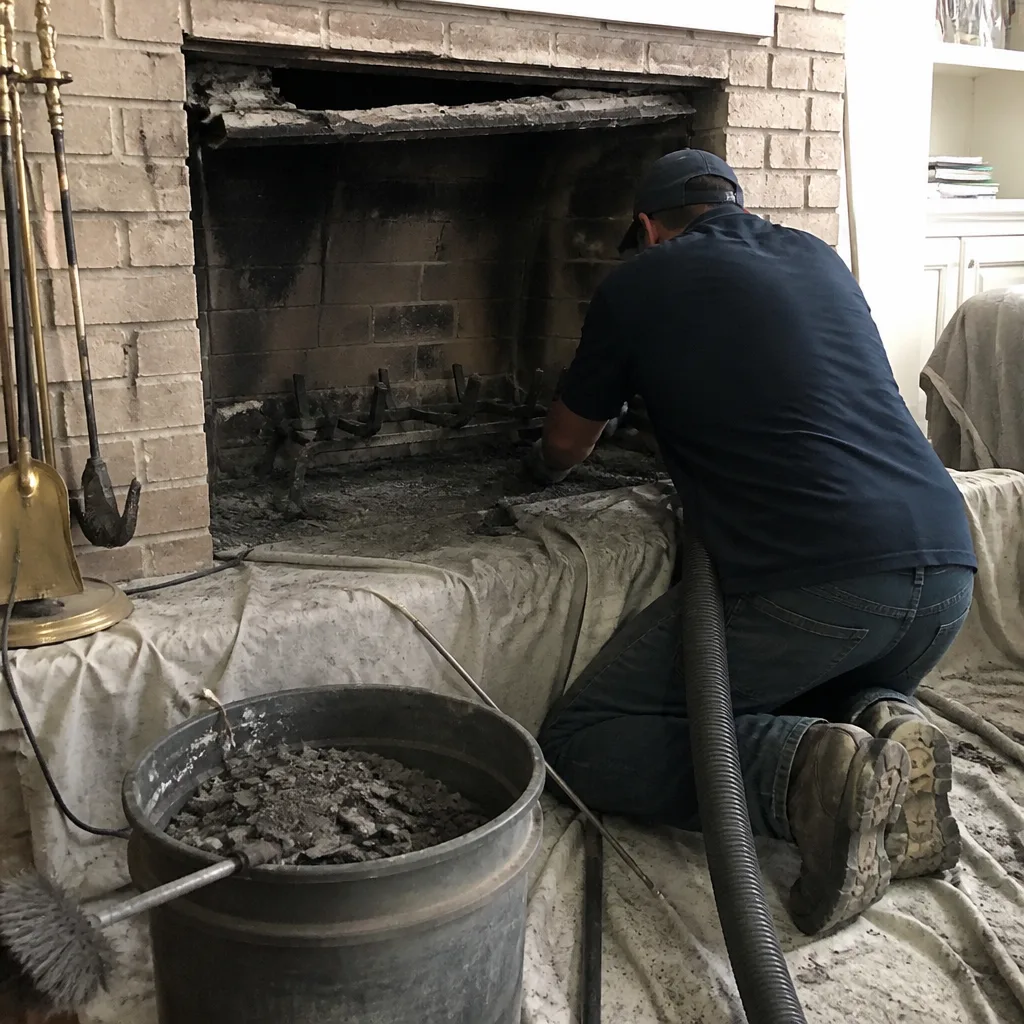 Before
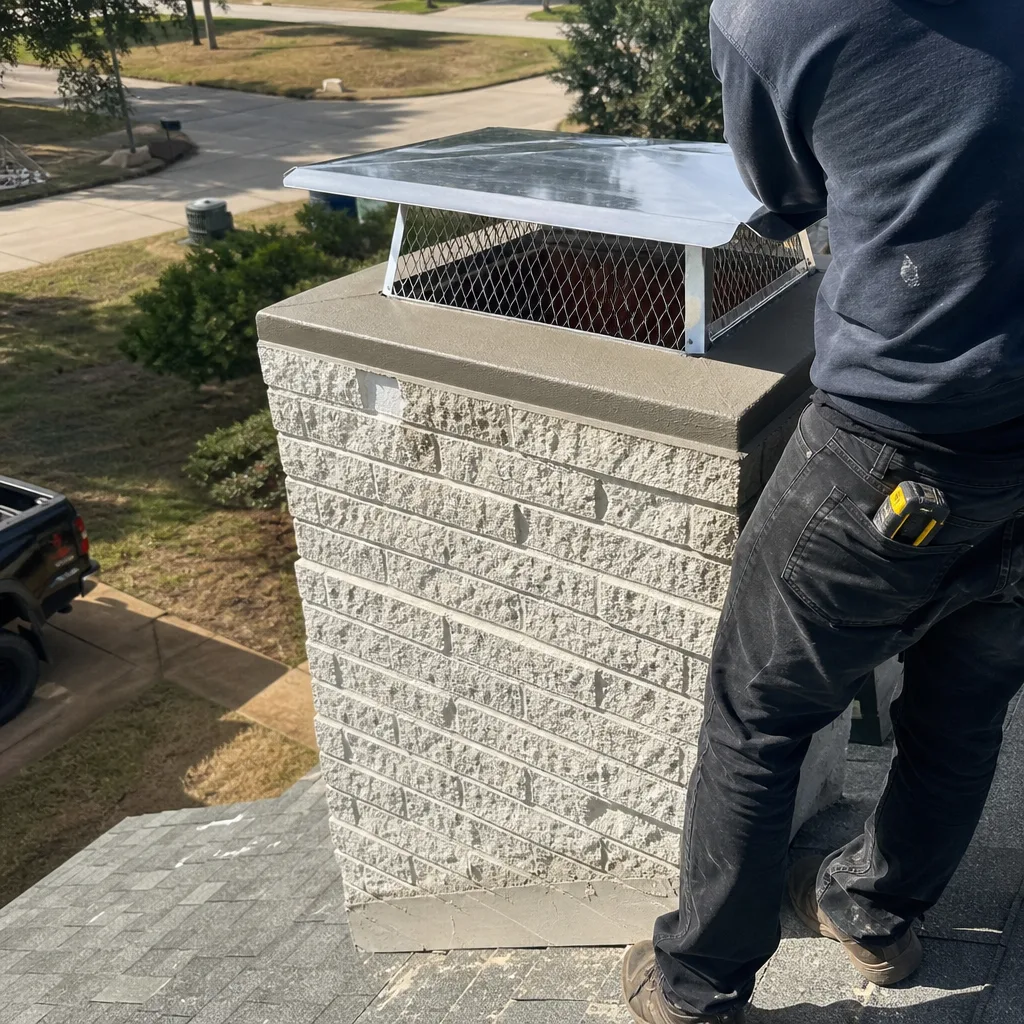 After
After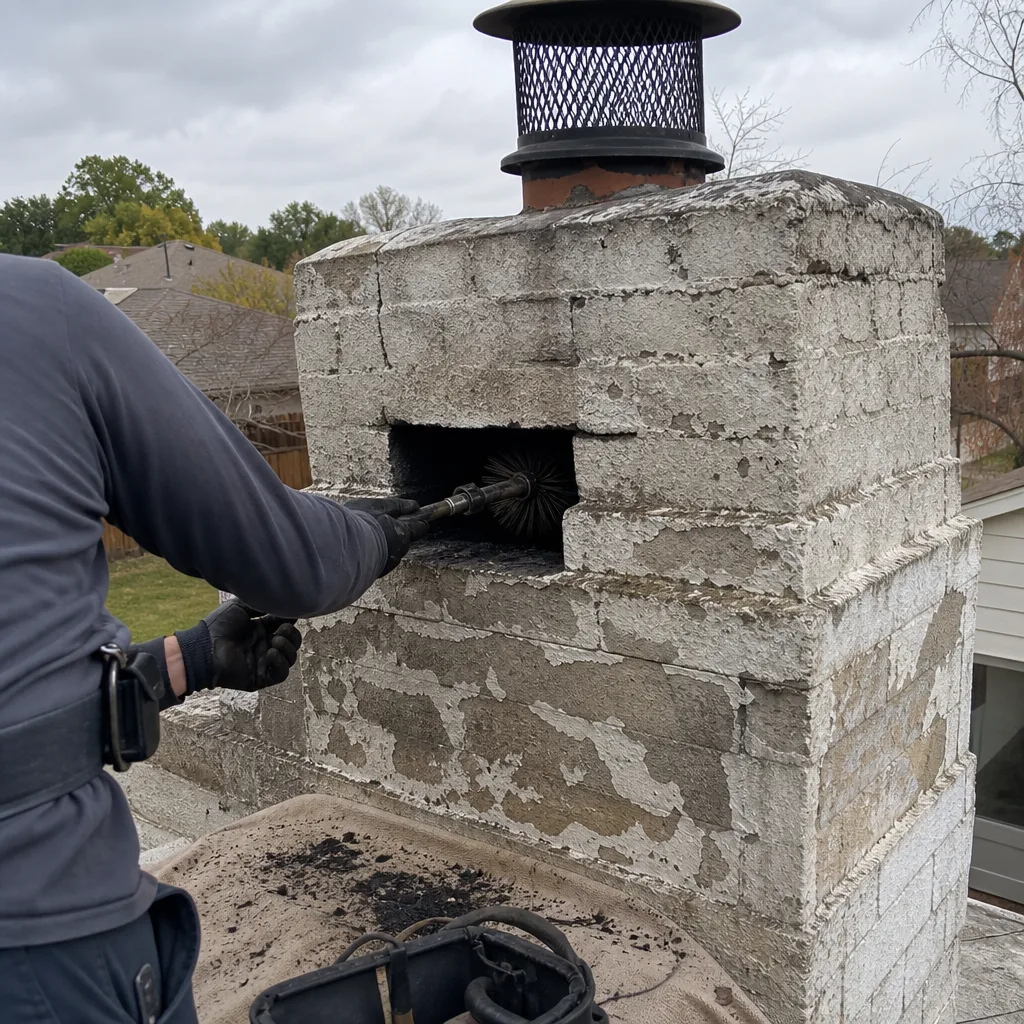 Before
 After
After Before
 After
After